
Knee Fracture Surgery in Bangalore with advanced orthopedic techniques, expert surgeons & faster recovery. Restore mobility. Book now!
for Knee Fractures
Reviewed by: Dr. Pradyumna R
Knee injuries can be life-altering, especially when they involve fractures around the joint. With advancements in orthopaedic technology, Knee Fracture Surgery has evolved significantly—offering patients faster recovery, better precision, and improved outcomes. One of the most promising innovations is robotic-assisted surgery, which is increasingly being used in complex knee procedures.
But when exactly should you choose robotic-assisted surgery for a knee fracture? Let’s break it down in a clear, patient-friendly way.
Understanding Knee Fractures
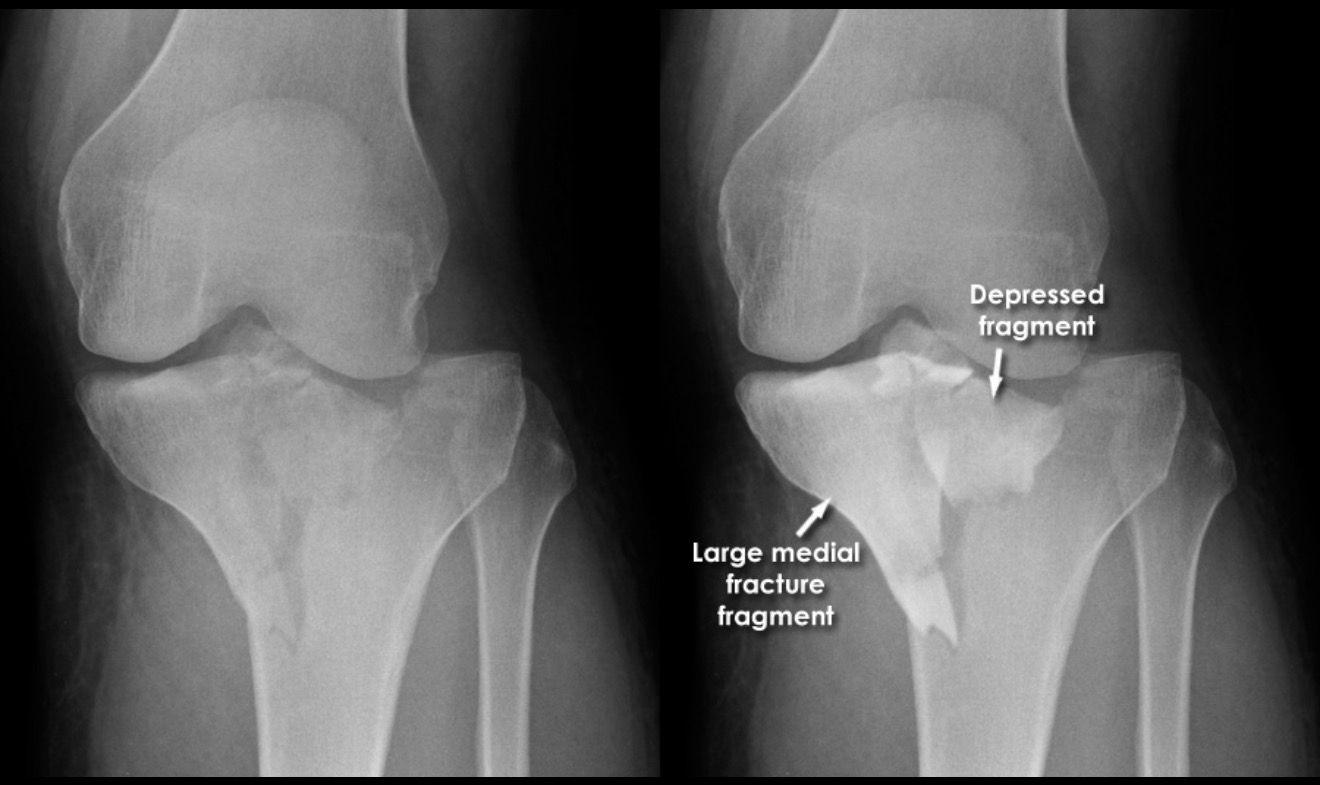
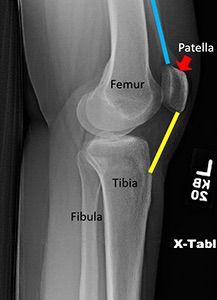
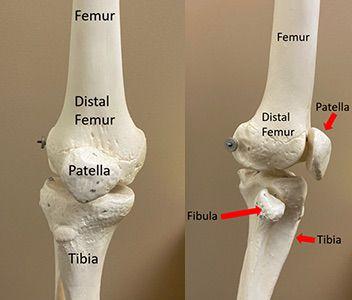
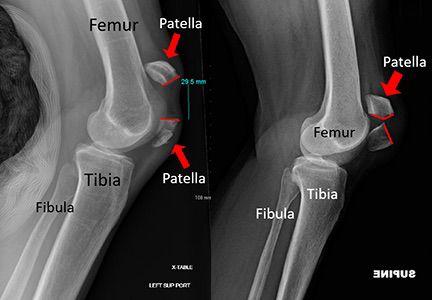
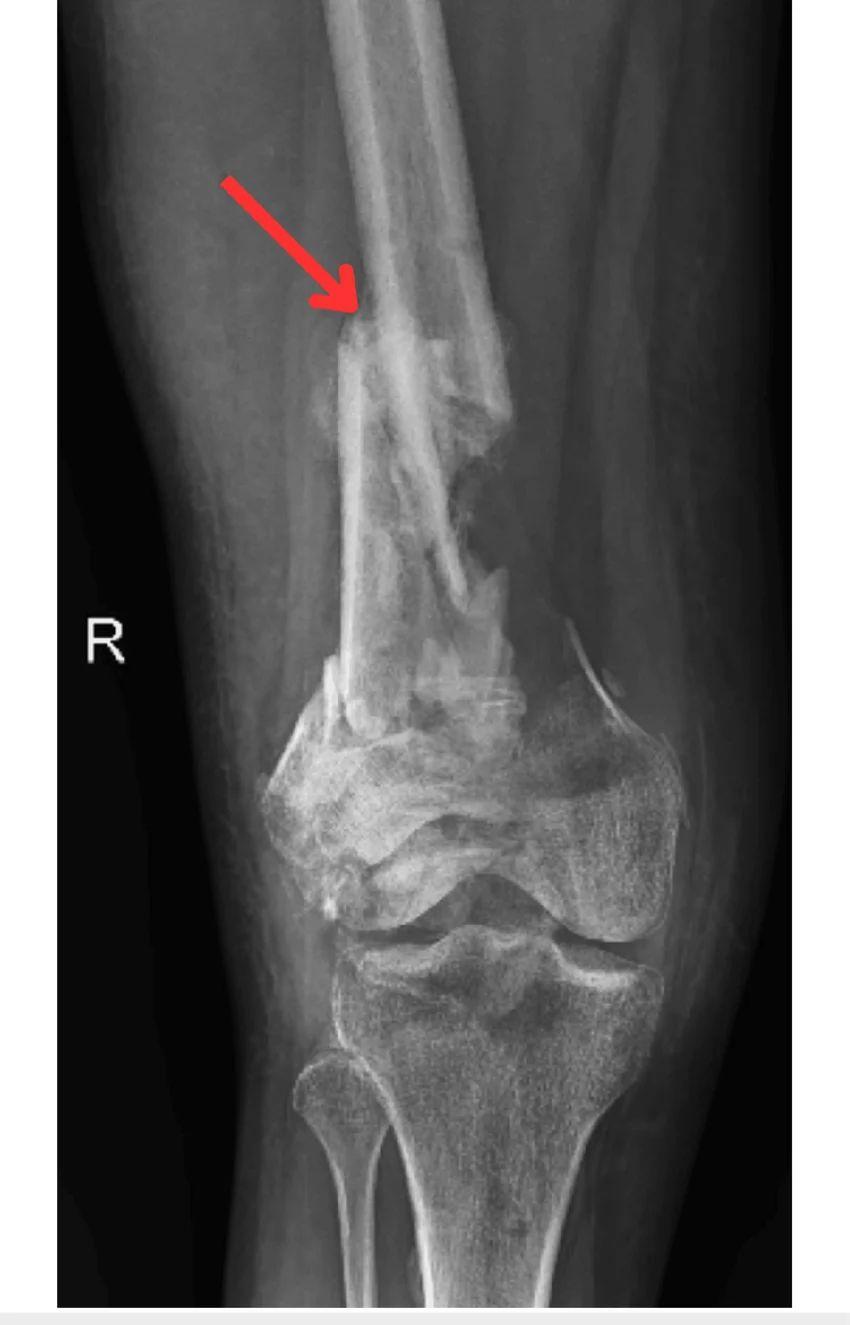
A knee fracture refers to a break in any of the bones forming the knee joint—typically the distal femur (thigh bone), proximal tibia (shin bone), or patella (kneecap).
In many cases, simple fractures can be treated with immobilization. However, complex or displaced fractures often require surgical intervention from an experienced orthopaedic surgeon.
What is Robotic-Assisted Knee Fracture Surgery?
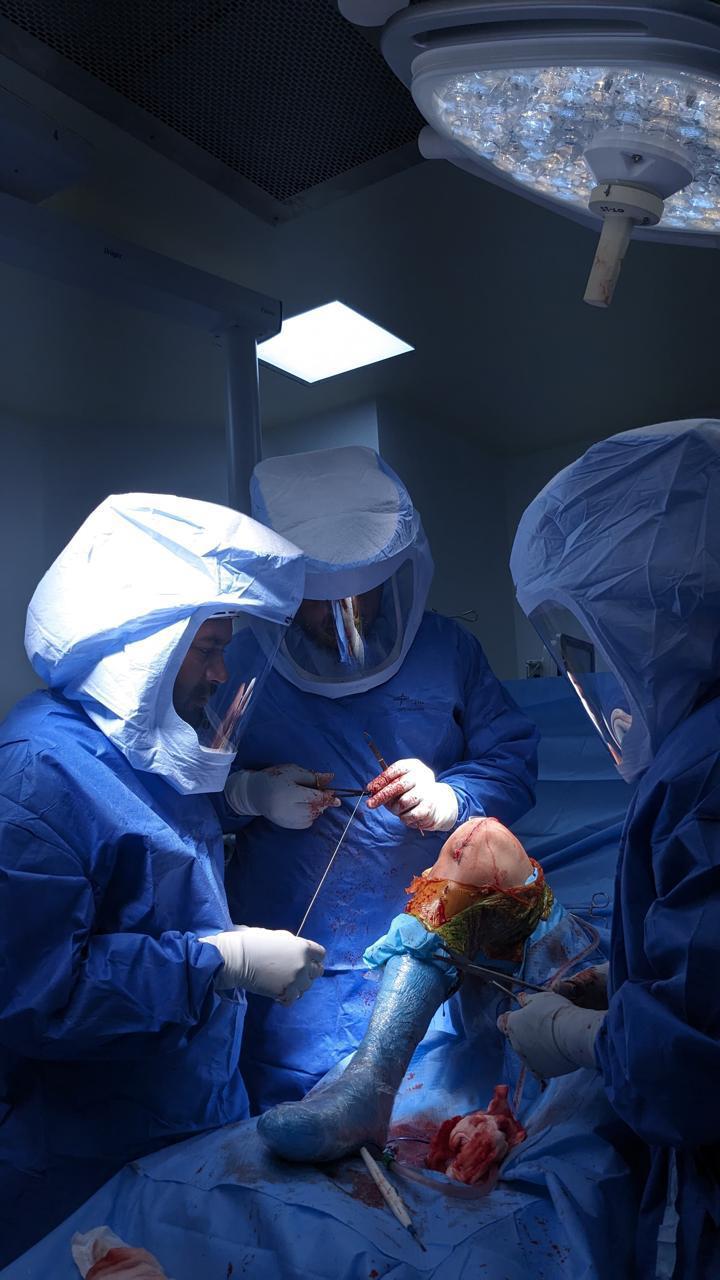
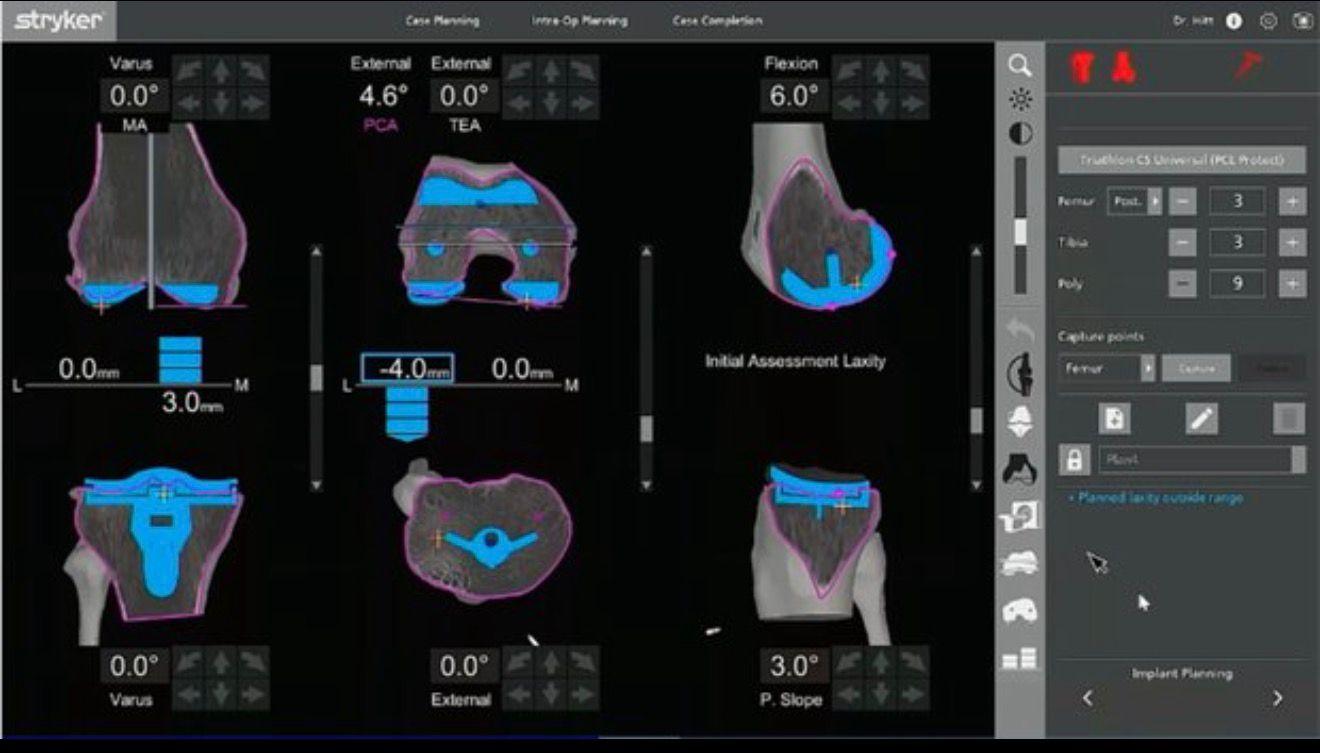
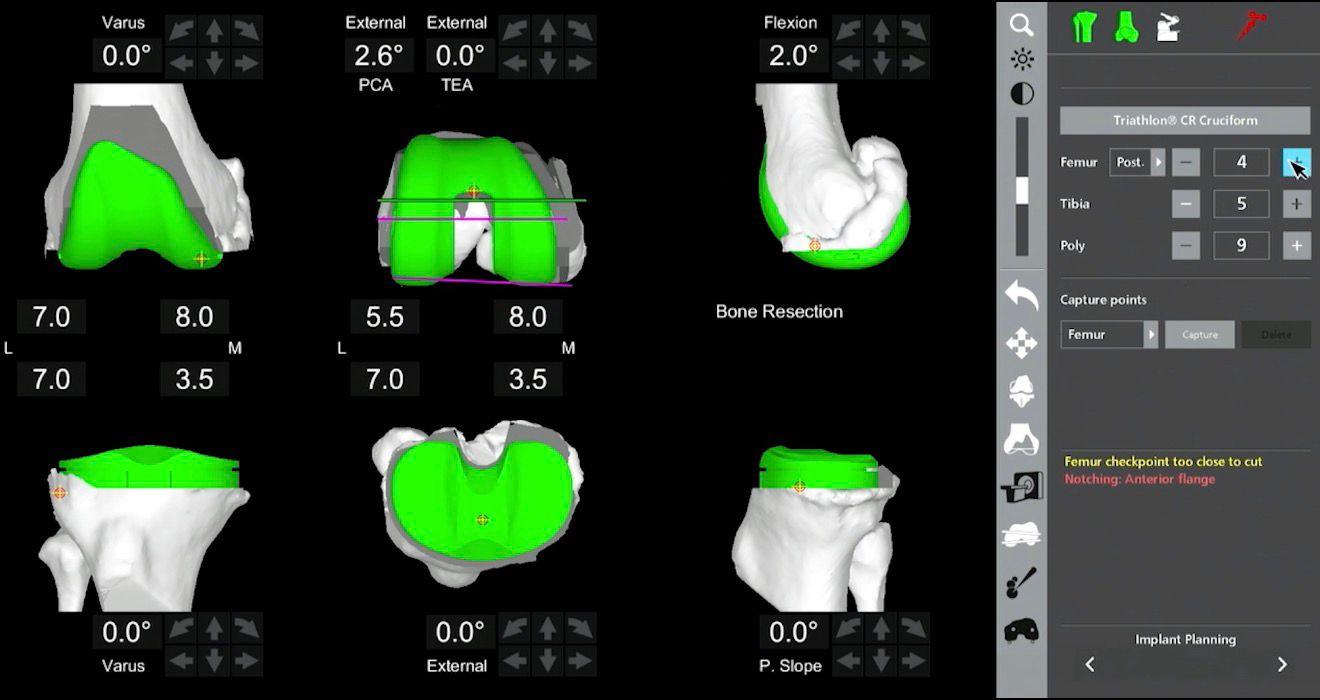
Robotic-assisted surgery is an advanced technique where surgeons use a robotic system with 3D imaging and computer guidance to perform highly precise procedures.
In Knee Fracture Surgery, this technology helps:
It’s important to note: the robot does not operate independently. The surgeon remains fully in control, using the robotic system as a precision tool.
When is Robotic-Assisted Surgery Recommended?
Not all knee fractures require robotic intervention. However, it becomes particularly beneficial in the following situations:
When the fracture involves multiple bone fragments (comminuted fractures), achieving accurate alignment is critical. Robotic systems help reconstruct the joint surface precisely.
Fractures like tibial plateau fractures directly affect the knee joint. Even a small misalignment can lead to arthritis later. Robotic assistance ensures near-perfect joint restoration.
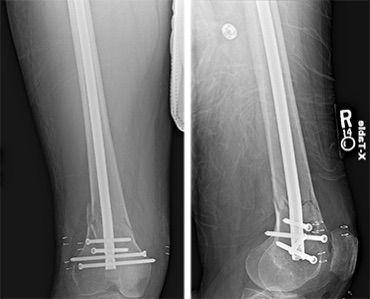
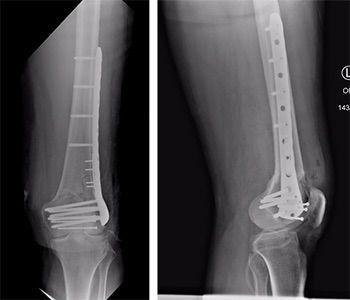
When plates, screws, or joint replacements are needed, robotic guidance helps in:
If a patient has had prior surgery, anatomy may be altered. Robotic systems allow surgeons to navigate these complexities with higher confidence.
Athletes or active individuals often benefit from robotic precision, as it helps restore joint function more accurately and supports quicker return to activity.
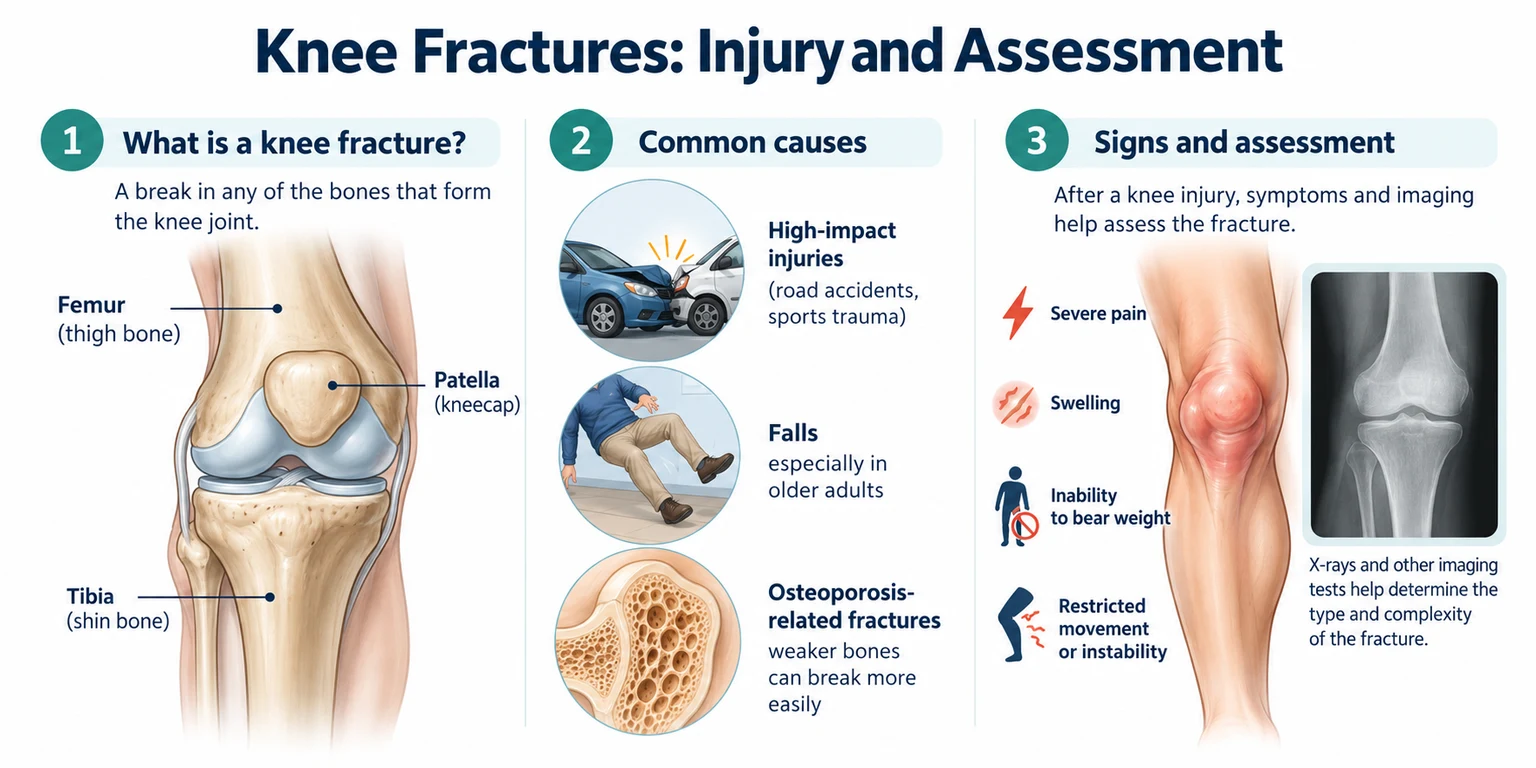
Knee Fractures: Injury and Assessment
Knee Fractures: Injury and Assessment. An illustrated summary of this article; individual assessment and recovery plans vary.
View full-size image (opens in a new tab)Advantages of Robotic-Assisted Knee Fracture Surgery
Robotic systems provide real-time feedback and 3D visualization, ensuring highly accurate bone alignment and implant placement.
Smaller incisions lead to:
Patients often experience:
Better alignment reduces the risk of:
Are There Any Limitations?
While robotic-assisted Knee Fracture Surgery offers many benefits, it may not be suitable for everyone.
A thorough evaluation is always necessary before deciding the right approach.
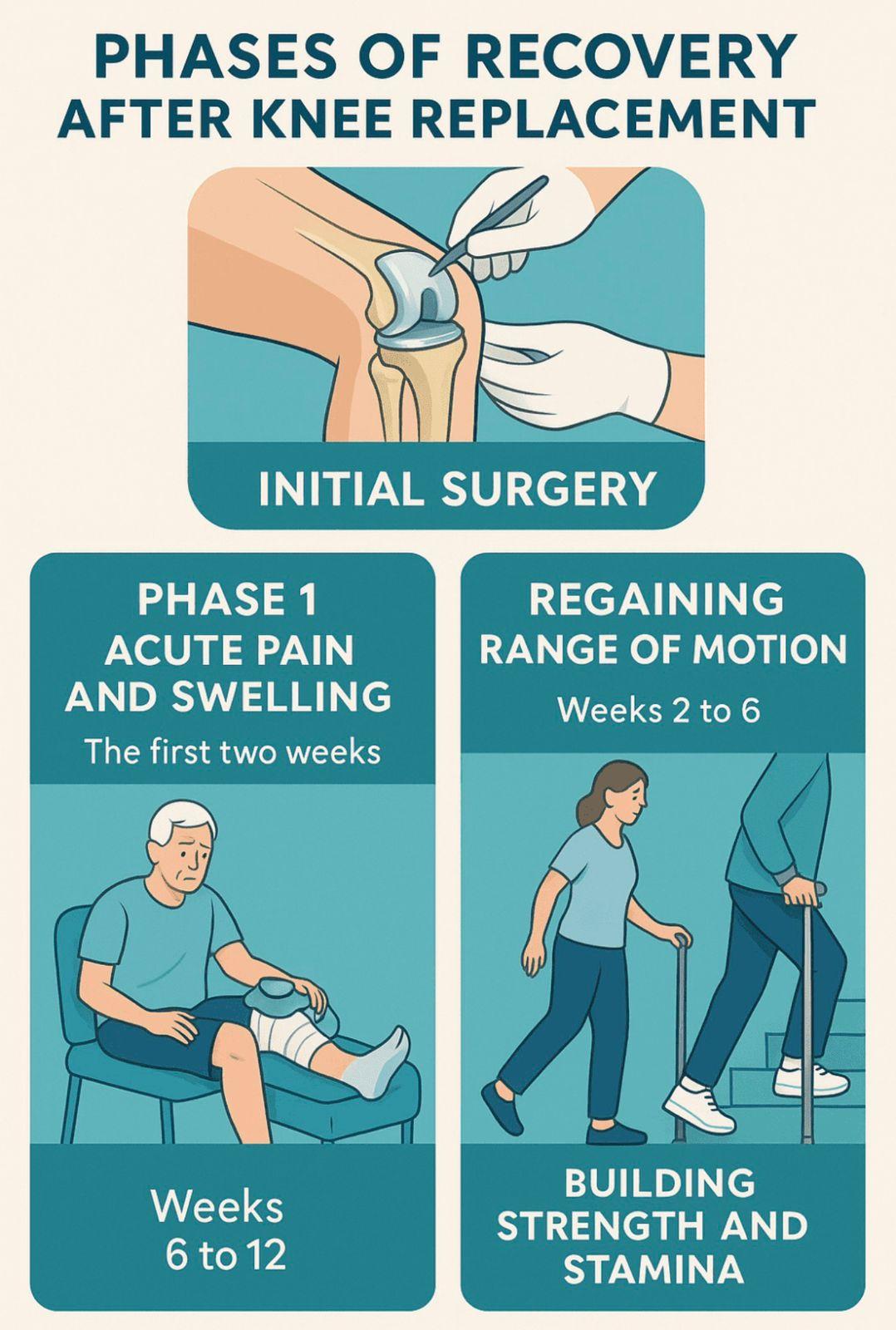
Recovery After Robotic Knee Fracture Surgery
Recovery depends on the severity of the fracture and the procedure performed.
Following your surgeon’s rehabilitation plan is essential for optimal recovery.
Is Robotic Surgery Right for You?
Choosing the right treatment for a knee fracture is not a one-size-fits-all decision. While robotic-assisted techniques have revolutionized Knee Fracture Surgery, they are most beneficial in complex, precision-demanding cases.
The key is early diagnosis, proper imaging, and consultation with an experienced orthopaedic surgeon who can recommend the best approach tailored to your condition.
If you or a loved one is dealing with a knee injury or fracture, don’t delay treatment.
Dr. Pradyumna R specializes in advanced orthopaedic procedures, including robotic-assisted surgeries for complex knee conditions.
Book your consultation today: +91-9113025188
Your mobility matters—choose precision, choose the right care.
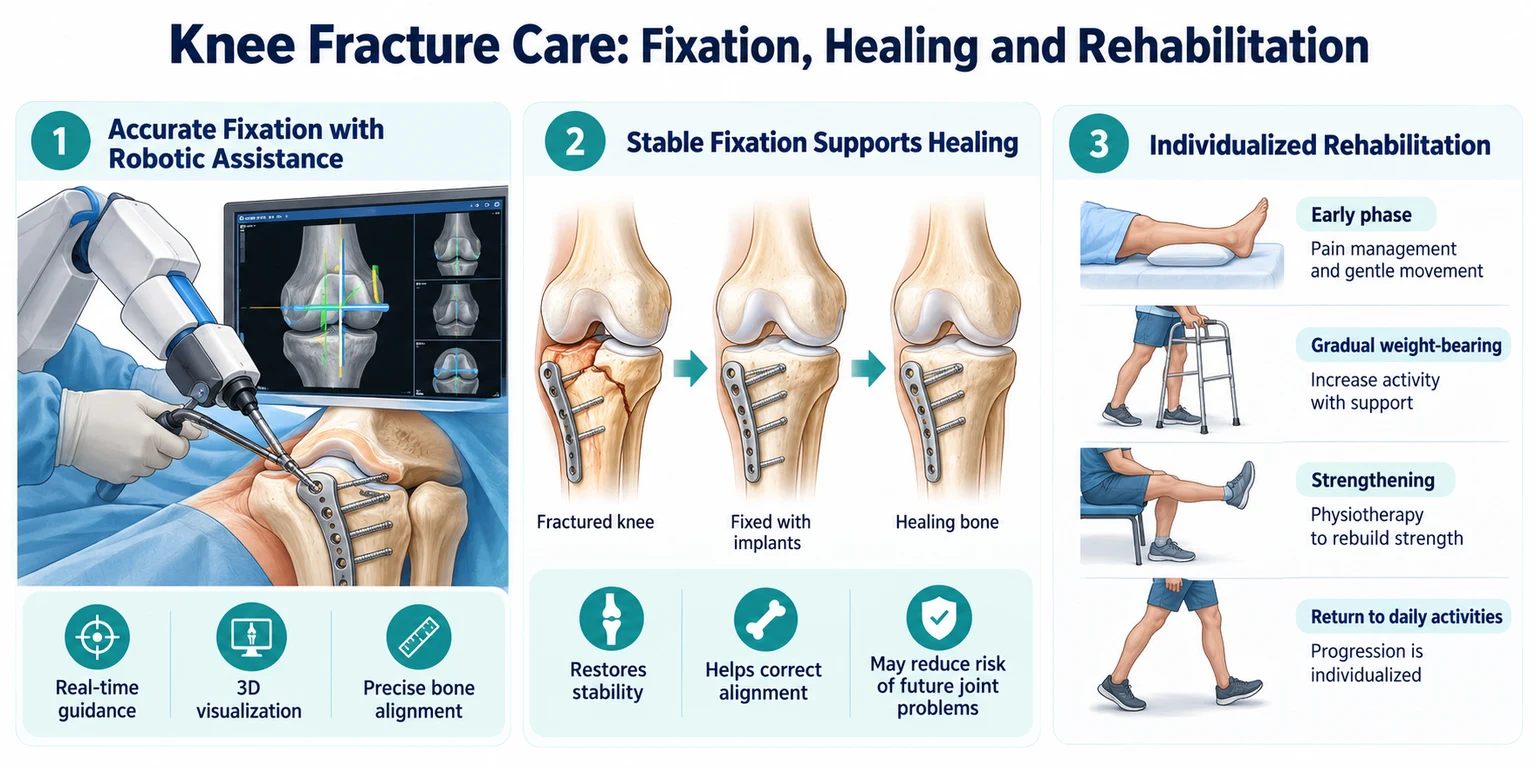
Knee Fracture Care: Fixation, Healing and Rehabilitation
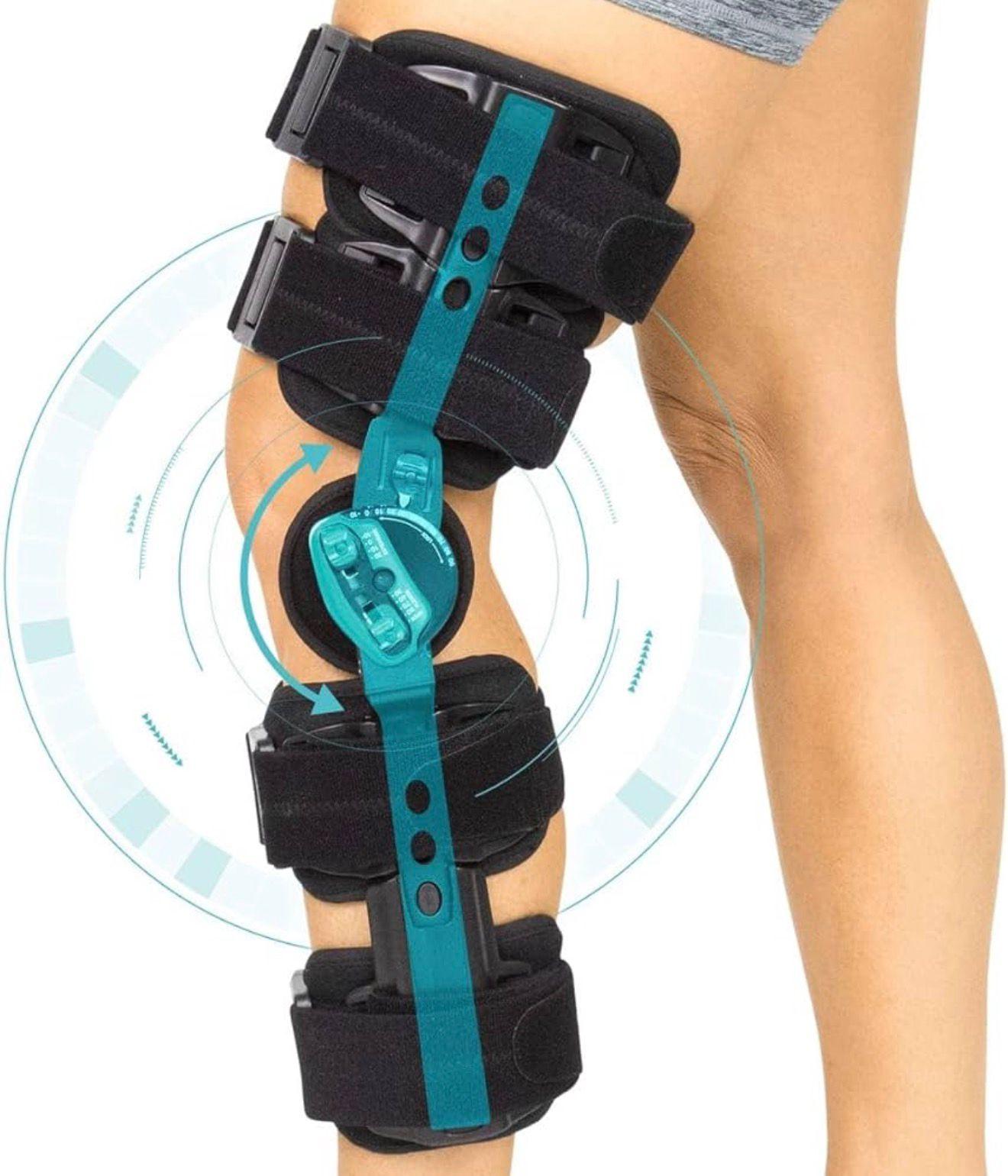
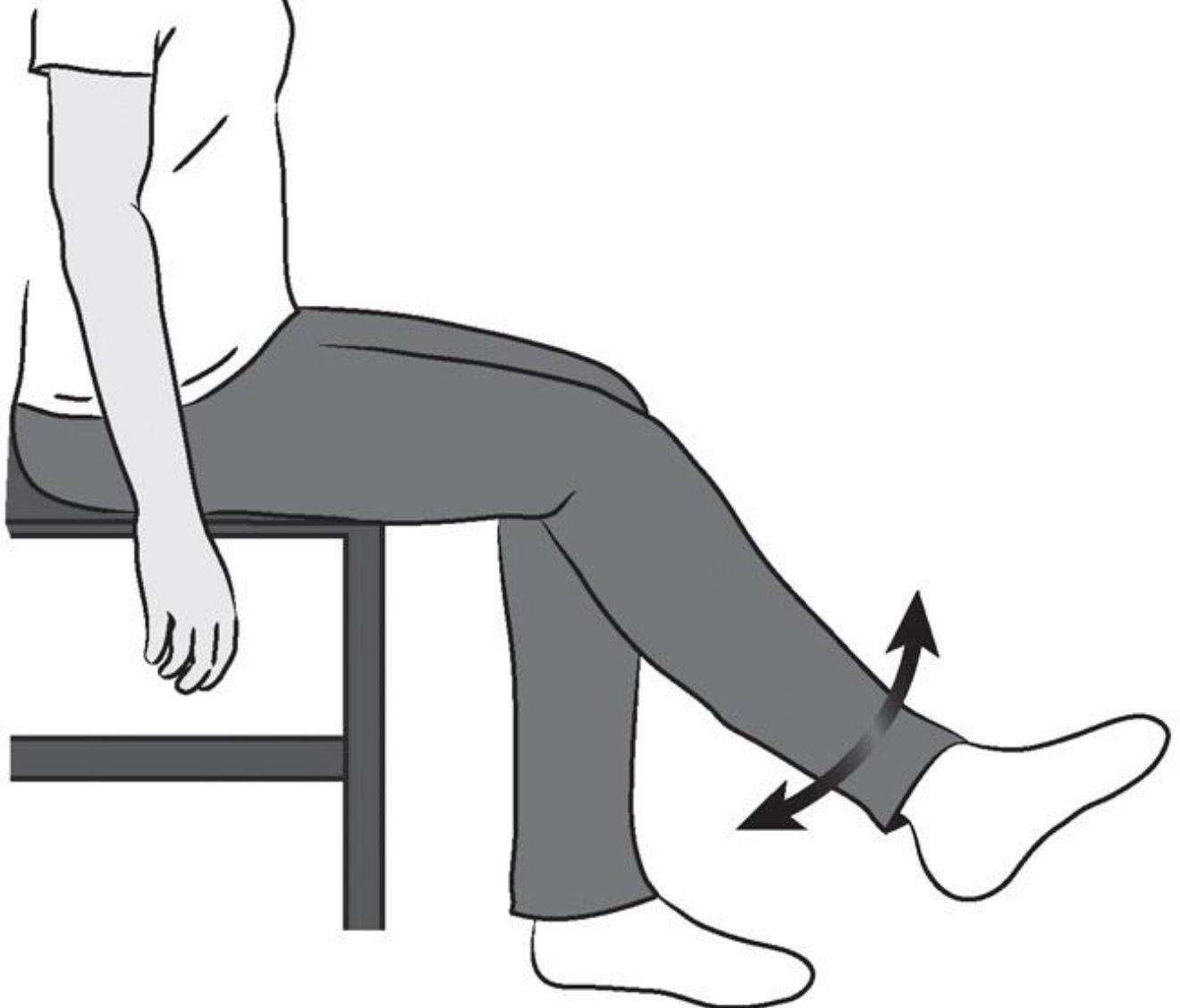
Knee Fracture Care: Fixation, Healing and Rehabilitation. An illustrated summary of this article; individual assessment and recovery plans vary.
View full-size image (opens in a new tab)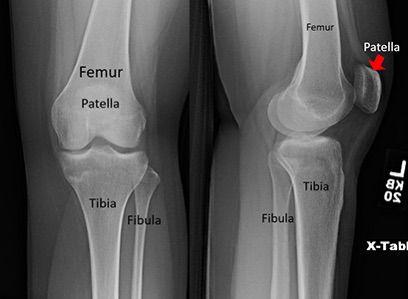
“Joint preservation and evidence-based conditioning are paramount. When surgical intervention is required, minimally invasive arthroscopy allows patients and competitive athletes to restore painless stability and confident motion.”
Robotic Total Knee Replacement Guide
Advanced Robotic Knee Replacement Options & Recovery | Dr. Pradyumna R. Watch Dr. Pradyumna R explain clinical diagnosis, surgical repair techniques, and recovery milestones.
Frequently Asked Questions
A knee fracture is a break involving bones around the knee such as the patella, distal femur, proximal tibia, or tibial plateau.

Dr. Pradyumna R
Verified SpecialistDr. Pradyumna R is a Consultant Orthopaedic Surgeon | Knee & Shoulder Surgery | Sports Medicine | Arthroscopy | Joint Replacement. He completed sub-specialty fellowship training in shoulder, elbow, and knee arthroscopy at the Technical University of Munich (TUM), Germany. He has performed over 5,000+ successful joint surgeries and practices at Bangalore Orthopaedic Clinic (JP Nagar) and Manipal Hospitals.