
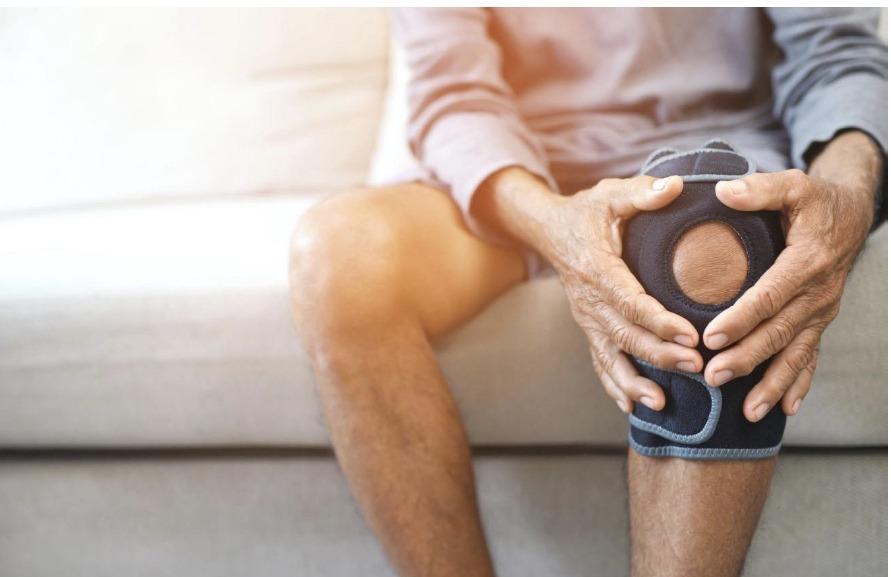
Discover the early warning signs of knee arthritis, from morning stiffness to crepitus, and explore advanced treatment options in Bangalore.
Reviewed by: Dr. Pradyumna R
Knee pain is frequently dismissed as a temporary issue brought on by overuse, aging, or a minor sprain. However, persistent discomfort in the joint is often an early warning sign of knee arthritis, a progressive condition that gradually degrades the protective joint cartilage, severely affecting your mobility, flexibility, and overall quality of life.
If you are noticing changes in how your joints move, recognizing these subtle, early symptoms and seeking timely medical intervention from a specialist can drastically slow the progression of the disease, alleviate chronic pain, and preserve your long-term joint function.
What is Knee Arthritis?
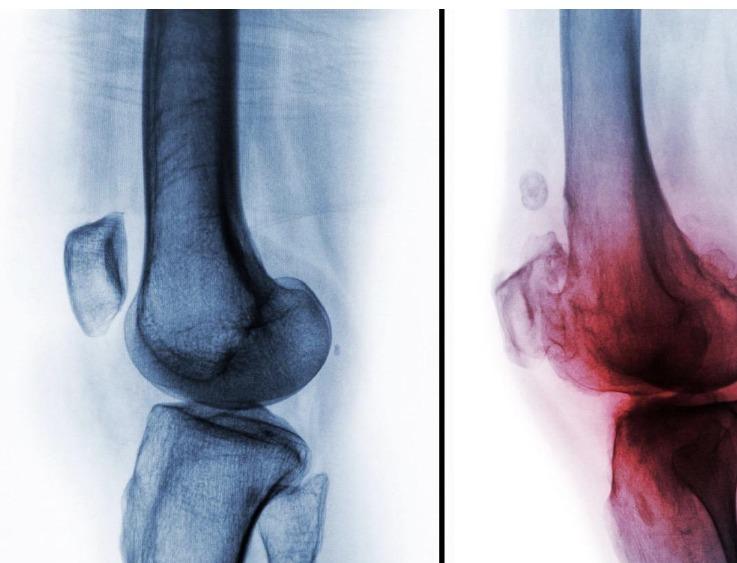
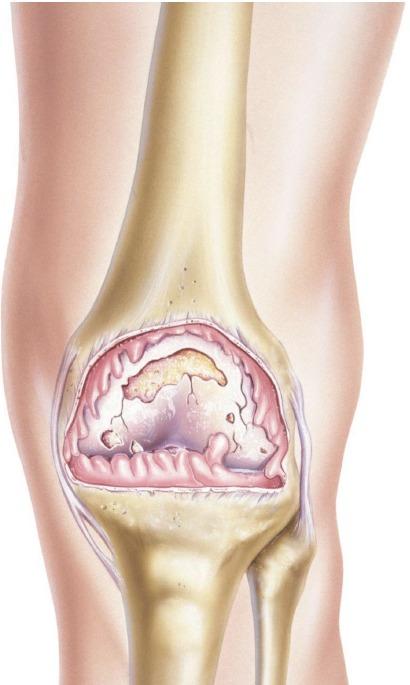
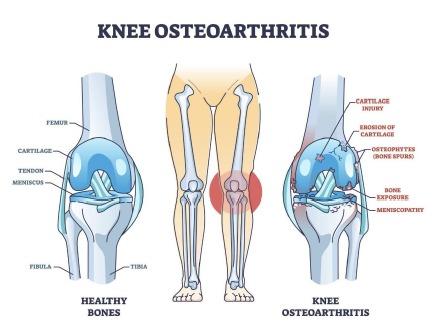
Knee arthritis occurs when the slippery, protective cartilage cushioning the ends of your bones begins to wear away. As this cushion thins, it creates friction between the bones, leading to chronic localized pain, inflammation, stiffness, and structural changes within the joint.
Early Signs of Knee Arthritis You Should Never Ignore
Paying close attention to how your joints feel during daily movements can help you catch arthritis in its initial stages. If you are looking for an accurate assessment of knee pain treatment in Bangalore, watch out for these seven common early indicators:
One of the primary indicators is a deep ache that keeps returning. This pain typically flares up after weight-bearing activities like walking, running, climbing stairs, or standing for long periods. While the discomfort may come and go initially, it gradually becomes more frequent and intense over time.
If your knees feel incredibly stiff or rigid immediately after waking up or following prolonged periods of sitting, it could point toward early-stage joint degeneration. This stiffness typically eases within 30 minutes as you move around, but tends to return during periods of inactivity.
Mild, recurrent swelling or puffiness around the joint line is a major red flag. Fluid accumulation (inflammation) inside the joint capsule can cause the knee to appear visibly enlarged, feel tight, or feel warm to the touch after extended physical activity.
Do you notice a clicking, crunching, or grinding sensation when bending, straightening, or squatting? Known medically as crepitus, this occurs when the cartilage loses its smooth texture, causing rough joint surfaces to scrape against one another.
Many patients experiencing the early stages of arthritis note a sudden onset of pain or weakness when walking up or down stairs, rising from a low chair, or kneeling. These specific movements place immense mechanical stress on the kneecap (patella) and joint surfaces, exposing early cartilage damage.
If you find it increasingly difficult to fully bend your leg back toward your thigh or straighten your knee completely, arthritis may be restricting your natural joint mechanics. Untreated inflammation eventually leads to permanent joint capsule tightening and progressive stiffness.
Some individuals describe a sudden sensation that their knee might give way or buckle mid-stride. This functional instability often occurs due to muscle inhibition or muscle imbalances caused by chronic pain and joint inflammation.
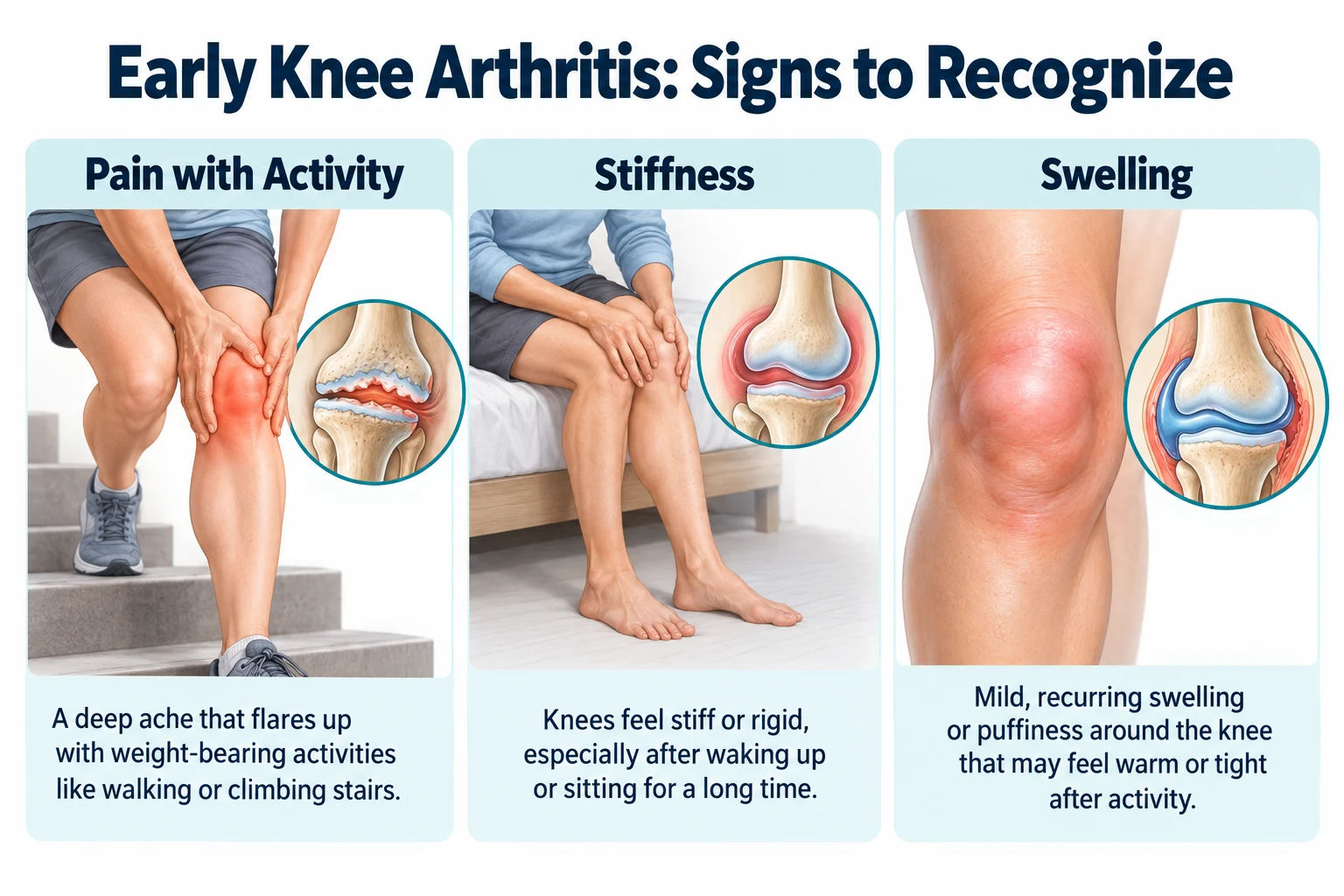
Early Knee Arthritis: Signs to Recognize
Early Knee Arthritis: Signs to Recognize. An illustrated summary of this article; individual assessment and recovery plans vary.
View full-size image (opens in a new tab)Who is Most at Risk?
While anyone can develop joint degeneration, certain factors notably accelerate the process:
Did You Know? Knee arthritis is not exclusive to the elderly. Younger individuals can experience accelerated post-traumatic arthritis if previous ligament or cartilage injuries were left untreated or improperly rehabilitated by a specialist in sports orthopedic surgery in Bangalore.
Can Early Knee Arthritis Be Treated?
Absolutely. Receiving an accurate diagnosis in the early stages allows for highly effective, non-surgical interventions that can delay or completely halt progressive joint wear. Depending on your evaluation at a leading knee pain hospital in Bangalore, a customized management plan may include:
When to See an Orthopaedic Specialist in Bangalore
You should schedule an expert evaluation with a knee specialist in Bangalore if you experience any of the following persistent issues:
If you are experiencing the early warning signs of joint wear, proactive treatment is the most effective tool to protect your long-term mobility.
Consult Dr. Pradyumna R, a premier orthopaedic specialist in Bangalore, at the
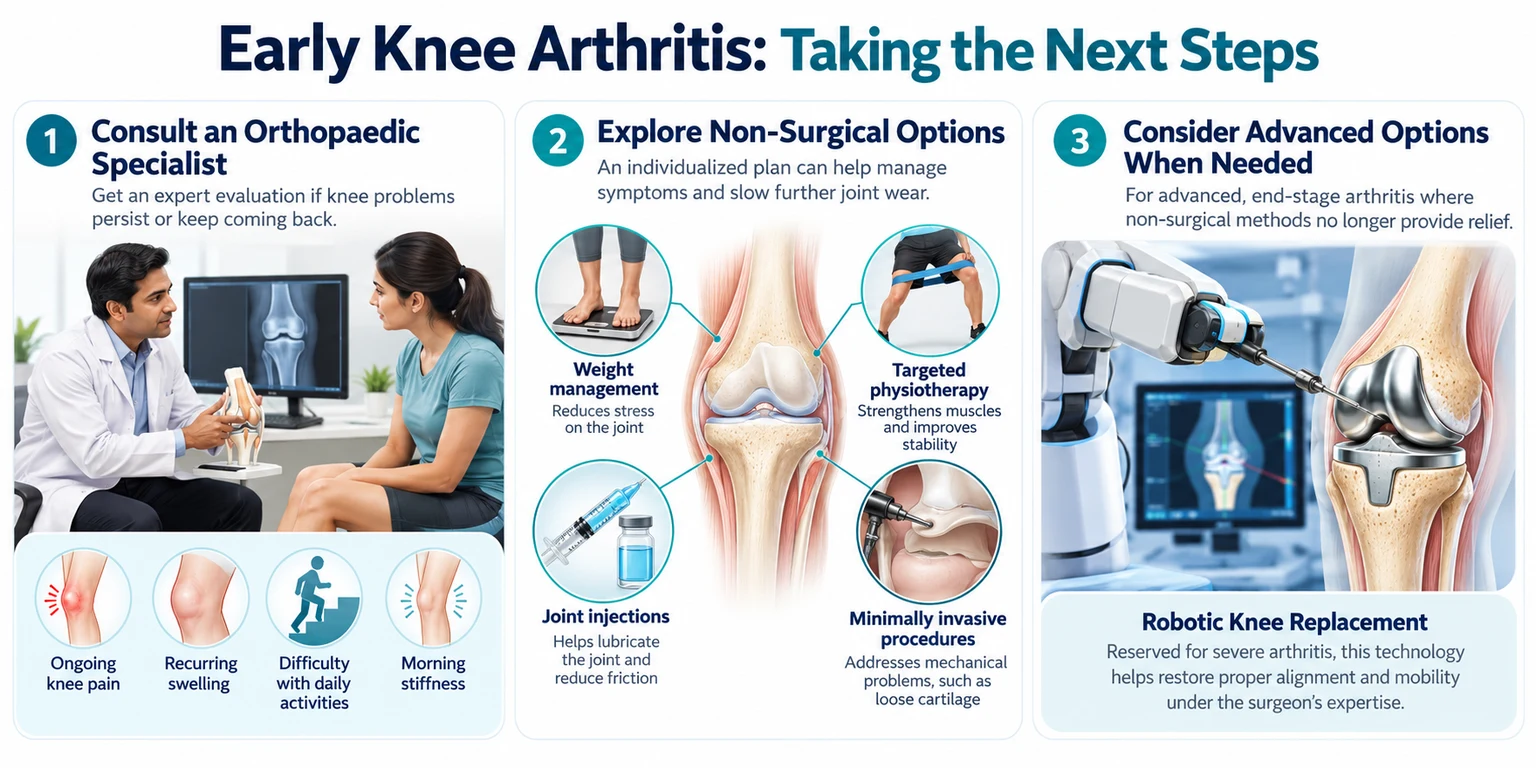
Early Knee Arthritis: Taking the Next Steps
Early Knee Arthritis: Taking the Next Steps. An illustrated summary of this article; individual assessment and recovery plans vary.
View full-size image (opens in a new tab)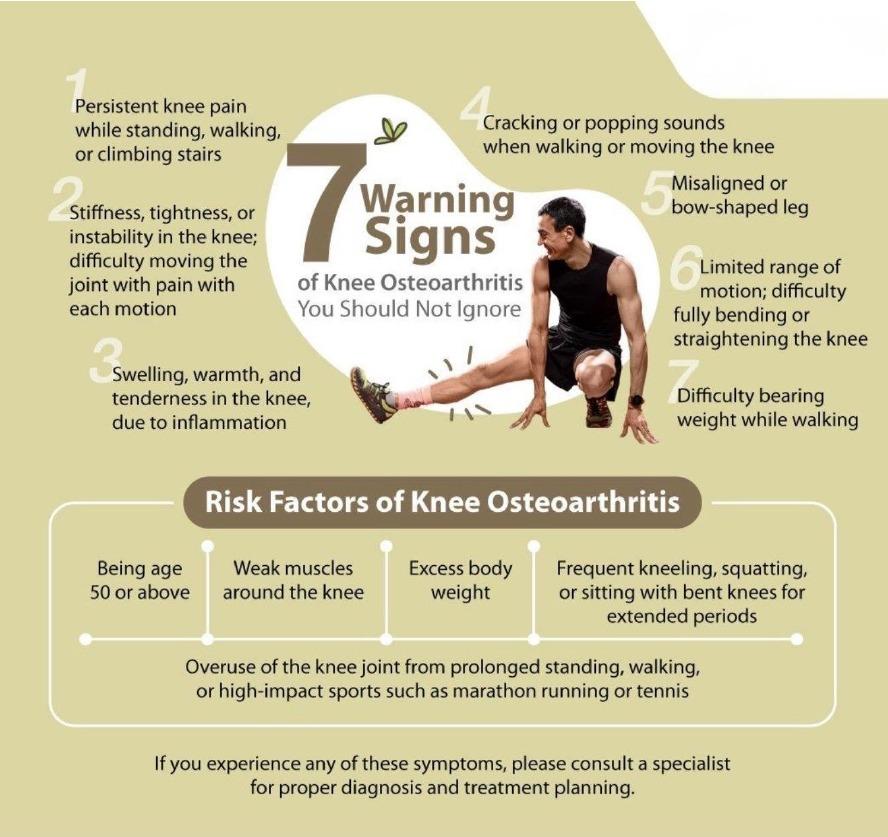

“Joint preservation and evidence-based conditioning are paramount. When surgical intervention is required, minimally invasive arthroscopy allows patients and competitive athletes to restore painless stability and confident motion.”
Robotic Total Knee Replacement Guide
Advanced Robotic Knee Replacement Options & Recovery | Dr. Pradyumna R. Watch Dr. Pradyumna R explain clinical diagnosis, surgical repair techniques, and recovery milestones.
Frequently Asked Questions
Normal muscle soreness or minor joint strain typically resolves within a few days with rest and basic care. Early knee arthritis pain is persistent, recurs regularly after weight-bearing activities, and is often accompanied by symptoms like morning stiffness, joint swelling, or a grinding sensation inside the knee.

Dr. Pradyumna R
Verified SpecialistDr. Pradyumna R is a Consultant Orthopaedic Surgeon | Knee & Shoulder Surgery | Sports Medicine | Arthroscopy | Joint Replacement. He completed sub-specialty fellowship training in shoulder, elbow, and knee arthroscopy at the Technical University of Munich (TUM), Germany. He has performed over 5,000+ successful joint surgeries and practices at Bangalore Orthopaedic Clinic (JP Nagar) and Manipal Hospitals.