
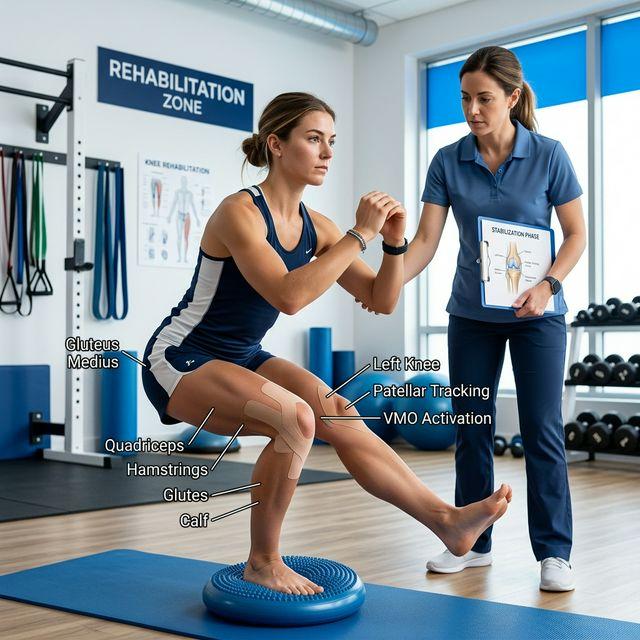
Learn why female athletes are more prone to ACL injuries and discover expert strategies for prevention. Comprehensive guide by Dr.
Reviewed by: Dr. Pradyumna R
Over the past few decades, women's participation in sports has surged - from grassroots athletics to elite professional leagues. While this progress is empowering, it has also brought increased attention to a concerning trend: women are significantly more prone to ACL (anterior cruciate ligament) injuries than men. Studies suggest that female athletes are 2 - 8 times more likely to suffer ACL tears, especially in high-impact sports like soccer, basketball, and volleyball.
Understanding why this happens - and more importantly, how to prevent it - is essential for athletes, coaches, and healthcare professionals alike.
What is the ACL and Why is it Important?
The ACL is one of the key ligaments stabilizing the knee joint. It connects the thigh bone (femur) to the shin bone (tibia) and plays a critical role in:
An ACL injury often occurs during non-contact movements - such as pivoting, landing from a jump, or sudden deceleration. Athletes with instability may need assessment by a sports medicine specialist.
Why Are Women More Prone to ACL Injuries?
Several factors contribute to the higher incidence of ACL injuries in women:
1. Biomechanical Differences Women often have a wider pelvis, which creates a larger “Q-angle" (angle between hip and knee). This can increase stress on the knee joint, especially during landing or cutting movements.
2. Hormonal Influences Fluctuations in estrogen levels may affect ligament laxity, making the ACL more vulnerable during certain phases of the menstrual cycle.
3. Muscle Imbalance Female athletes may rely more on quadriceps than hamstrings. Since hamstrings help stabilize the knee, weaker activation increases injury risk.
4. Neuromuscular Control Differences in movement patterns - like landing with less knee flexion or inward knee collapse (valgus) - can elevate stress on the ACL.
ACL injuries are most common in sports that involve:
Examples include:
Signs and Symptoms of an ACL Injury
Recognizing early signs can prevent further damage:
Prompt medical evaluation is crucial to confirm diagnosis and begin treatment.
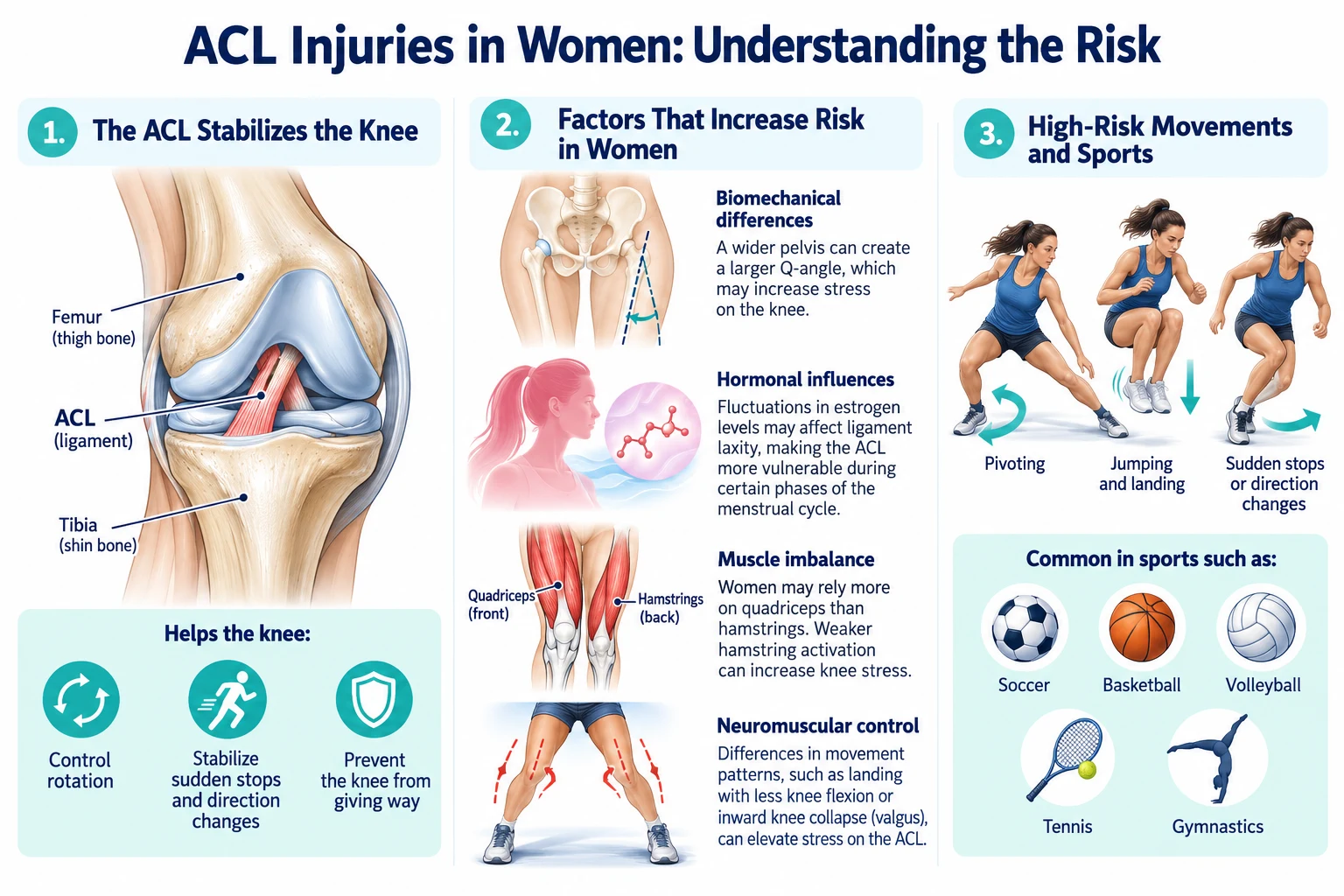
ACL Injuries in Women: Understanding the Risk
ACL Injuries in Women: Understanding the Risk. An illustrated summary of this article; individual assessment and recovery plans vary.
View full-size image (opens in a new tab)Preventing ACL & Knee Injuries in Women
The good news is that many ACL injuries are preventable with the right training and awareness.
1. Strength Training Focus on strengthening key muscle groups:
Exercises include: Deadlifts, Hamstring curls, Glute bridges, Squats
2. Neuromuscular Training Training the body to move correctly reduces injury risk:
Programs like FIFA 11+ have shown significant reduction in ACL injuries.
3. Plyometric Training These exercises improve explosive power while reinforcing safe movement patterns:
Focus on controlled landings rather than height or speed.
4. Flexibility & Mobility Maintaining flexibility in:
…ensures better movement mechanics and reduces strain on the knee.
5. Proper Footwear & Surface Awareness Wearing appropriate shoes and being mindful of playing surfaces can reduce slipping or excessive grip - both of which can increase injury risk.
6. Fatigue Management Many injuries occur when athletes are tired. Adequate rest, hydration, and recovery are critical.
Role of Coaches and Trainers
Coaches play a pivotal role in prevention:
Consistency is key - these programs must be practiced regularly to be effective.
Recovery and Return to Sport
If an ACL injury occurs, treatment options range from physiotherapy to surgical reconstruction depending on severity and activity level.
Recovery typically involves:
Returning to sport too early significantly increases the risk of re-injury, especially in women.
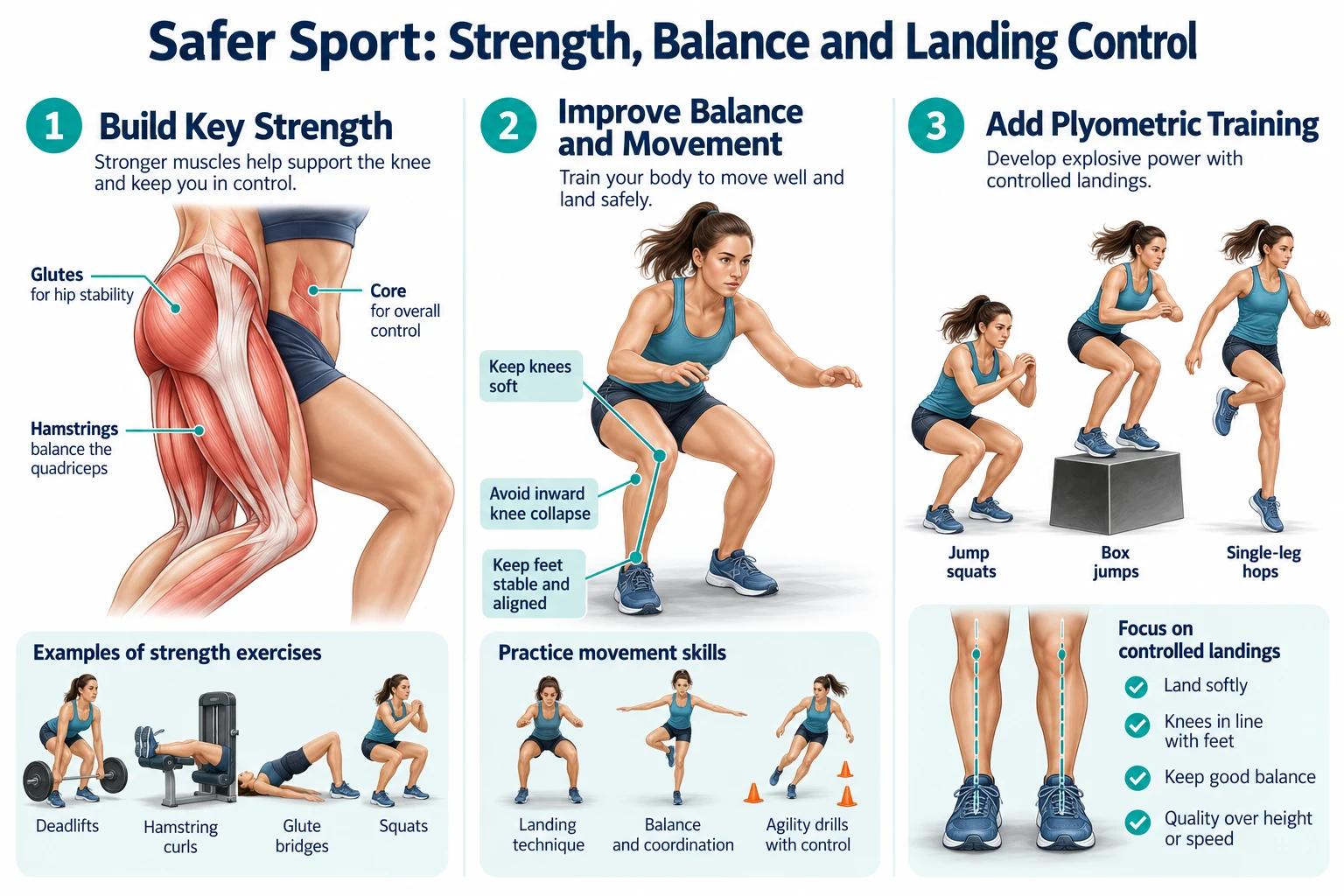
Safer Sport: Strength, Balance and Landing Control
Safer Sport: Strength, Balance and Landing Control. An illustrated summary of this article; individual assessment and recovery plans vary.
View full-size image (opens in a new tab)Conclusion
ACL and knee injuries in women's sports are a serious but largely preventable challenge. By understanding the unique risk factors and implementing targeted training strategies, athletes can significantly reduce their chances of injury.
Prevention isn't just about avoiding setbacks - it's about enhancing performance, longevity, and confidence on the field.
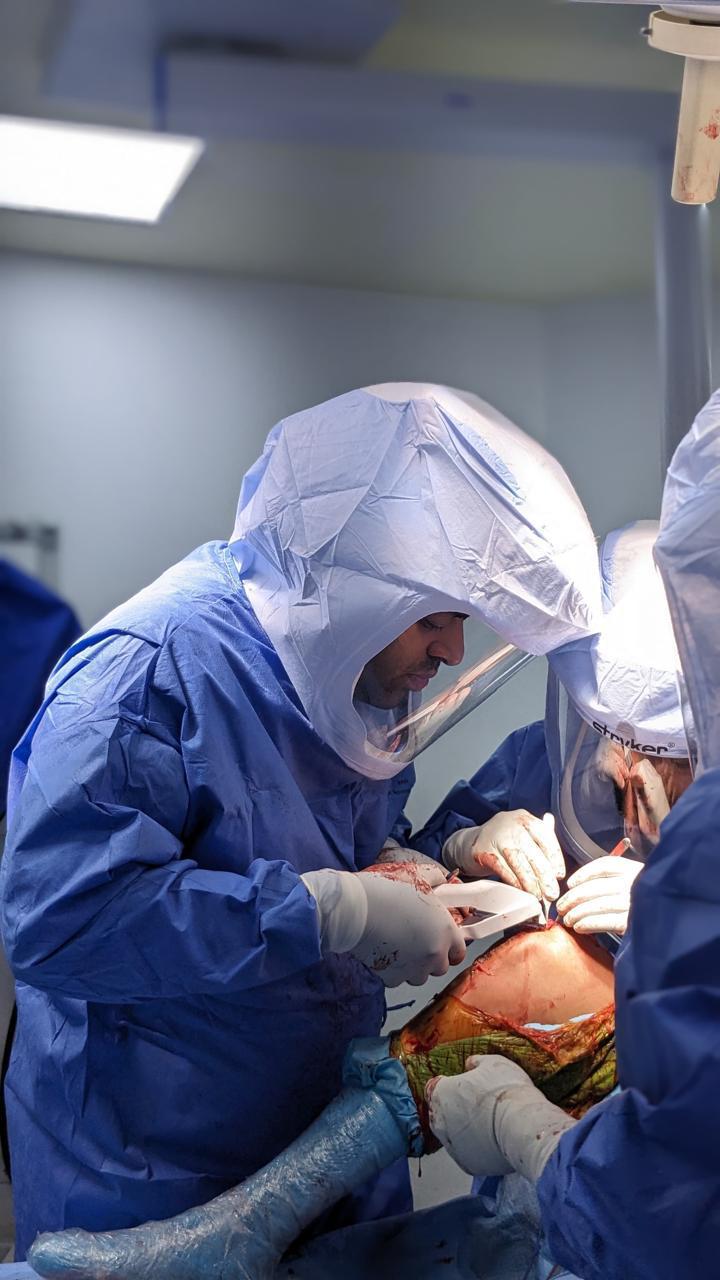
“Joint preservation and evidence-based conditioning are paramount. When surgical intervention is required, minimally invasive arthroscopy allows patients and competitive athletes to restore painless stability and confident motion.”
ACL & Meniscus Surgery & Recovery
Advanced ACL & Meniscus Repair Care | Dr. Pradyumna R. Watch Dr. Pradyumna R explain clinical diagnosis, surgical repair techniques, and recovery milestones.
Frequently Asked Questions
Women may have higher ACL injury risk due to biomechanics, landing patterns, hip-knee alignment, muscle strength differences, hormonal factors, and sport demands.

Dr. Pradyumna R
Verified SpecialistDr. Pradyumna R is a Consultant Orthopaedic Surgeon | Knee & Shoulder Surgery | Sports Medicine | Arthroscopy | Joint Replacement. He completed sub-specialty fellowship training in shoulder, elbow, and knee arthroscopy at the Technical University of Munich (TUM), Germany. He has performed over 5,000+ successful joint surgeries and practices at Bangalore Orthopaedic Clinic (JP Nagar) and Manipal Hospitals.