
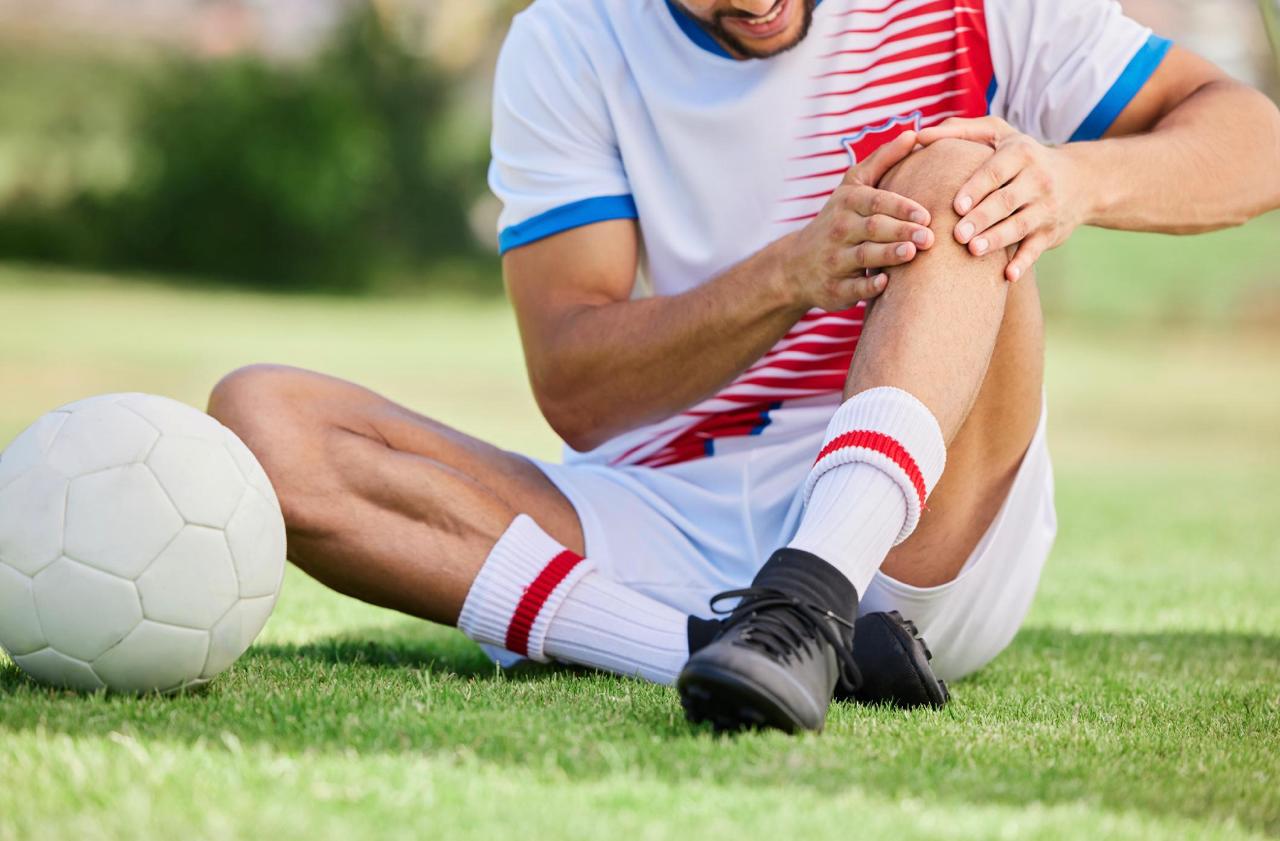
Struggling with knee pain? Learn the key differences between an ACL tear and a meniscus tear, their unique symptoms, and advanced treatments.
Reviewed by: Dr. Pradyumna R
Knee injuries are extremely common among athletes, fitness enthusiasts, and even individuals performing simple day-to-day activities. Two of the most frequently diagnosed knee conditions are an ACL tear and a meniscal tear. While both injuries cause localized pain, swelling, and difficulty walking, they affect entirely different structures inside the joint and produce distinct sensations.
Understanding the difference between these two conditions can help you seek the right treatment early and prevent long-term joint damage.
Understanding Knee Anatomy
The knee joint relies on a delicate balance of structures to function properly:
Specifically:
When either structure is compromised, knee function is impacted in distinct ways.
What is an ACL Tear?
The ACL is one of the primary stabilizing ligaments keeping your knee intact. It commonly tears or ruptures during high-impact or sudden movements, such as:
Common Symptoms of an ACL Tear
Patient Description: Many individuals describe an ACL tear by saying, "I felt my knee completely slip out of place."
What is a Meniscal Tear?
Because the meniscus acts like a shock-absorbing cushion inside the knee, it is vulnerable to tearing under high pressure or grinding forces. It can tear due to:
Common Symptoms of a Meniscal Tear
Unlike an ACL injury, the feeling of complete structural instability is usually much milder or absent in a standalone meniscus tear.
Key Differences: ACL Tear vs. Meniscal Tear
Feature ACL Tear Meniscal Tear
Structure Injured Stabilizing Ligament Shock-absorbing Cartilage
Common Cause Sudden pivot, twist, or landing Twisting, deep squatting, or wear
Swelling Speed Rapid (within a few hours) Gradual (over 1 to 2 days)
Joint Instability Significant (giving way) Mild or completely absent
Locking Sensation Rare Common (mechanical catch)
"Pop" Sound Highly common at injury Less common
Sports Participation Interrupted immediately Progressive decline in ability
Knee Giving Way Very common Occurs occasionally
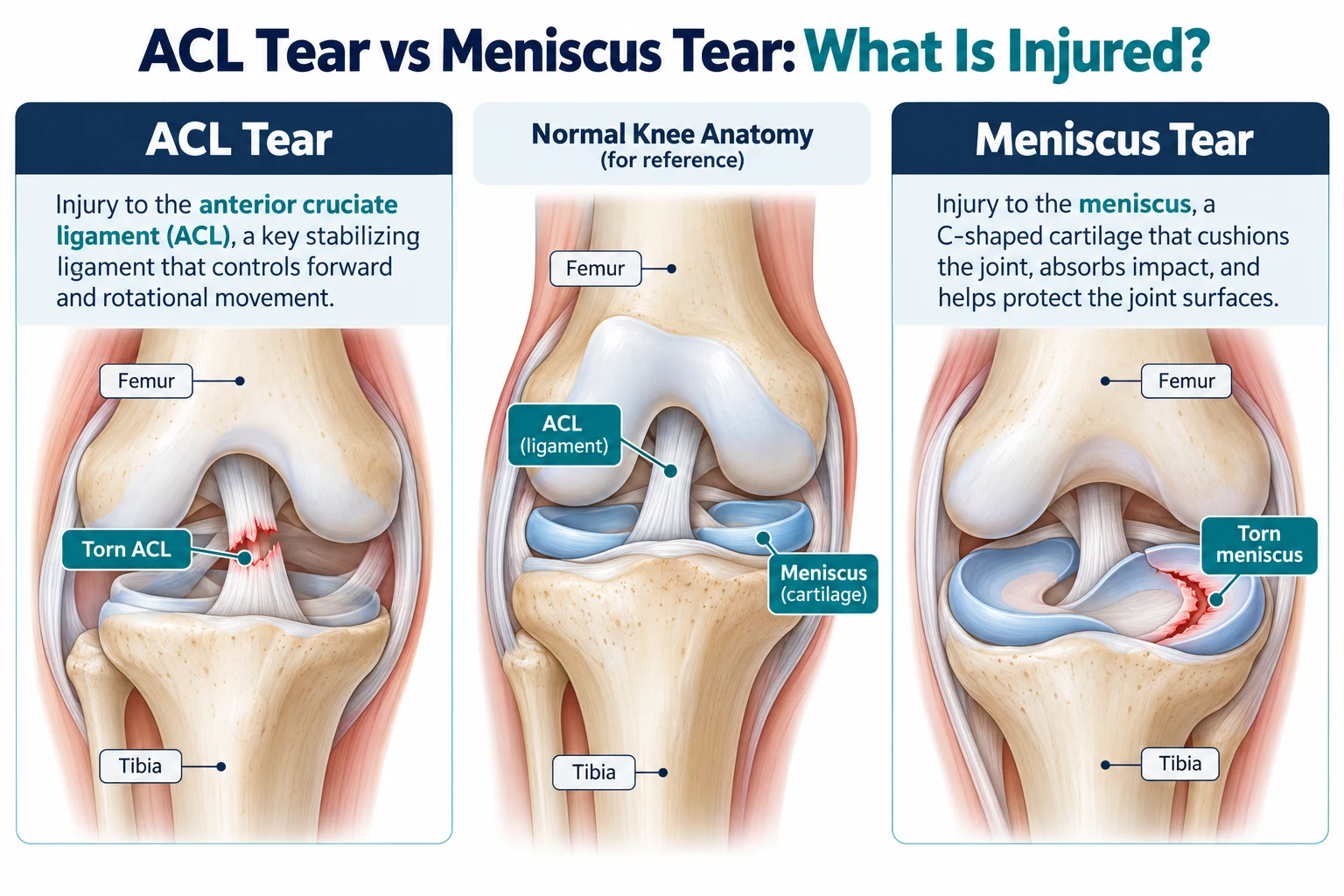
ACL Tear vs Meniscus Tear: What Is Injured?
ACL Tear vs Meniscus Tear: What Is Injured?. An illustrated summary of this article; individual assessment and recovery plans vary.
View full-size image (opens in a new tab)Can Both Injuries Occur Together?
Yes. In fact, many high-energy sports injuries involve both ACL and meniscus tears simultaneously.
When an ACL is torn, the knee becomes structurally unstable (ACL-deficient). This chronic instability causes the femur to slip abnormally over the tibia, heavily increasing the risk of a secondary, complex meniscal injury over time. This makes a timely, expert evaluation crucial.
When to See an Orthopaedic Surgeon in Bangalore
You should seek immediate medical attention from a specialist if you experience any of the following warning signs:
Ignoring these symptoms or delaying an assessment can lead to secondary cartilage damage, early-onset knee arthritis, chronic joint instability, and a permanent reduction in athletic performance.
How Are These Knee Injuries Diagnosed?
A precise diagnosis requires specialized medical insights, typically involving:
An experienced orthopaedic surgeon in Bangalore will perform specific physical stress tests, such as the Lachman test or McMurray test, to safely assess the integrity of your ligaments and cartilage.
An MRI scan is considered the gold-standard diagnostic tool. It allows the specialist to visually confirm:
While X-rays cannot show soft tissue damage like ligaments or cartilage, they are used to rule out associated bone fractures or alignment issues.
Advanced Treatment Options
Your ideal recovery plan depends on the severity of the injury, your age, daily activity levels, sports goals, and the overall stability of the joint.
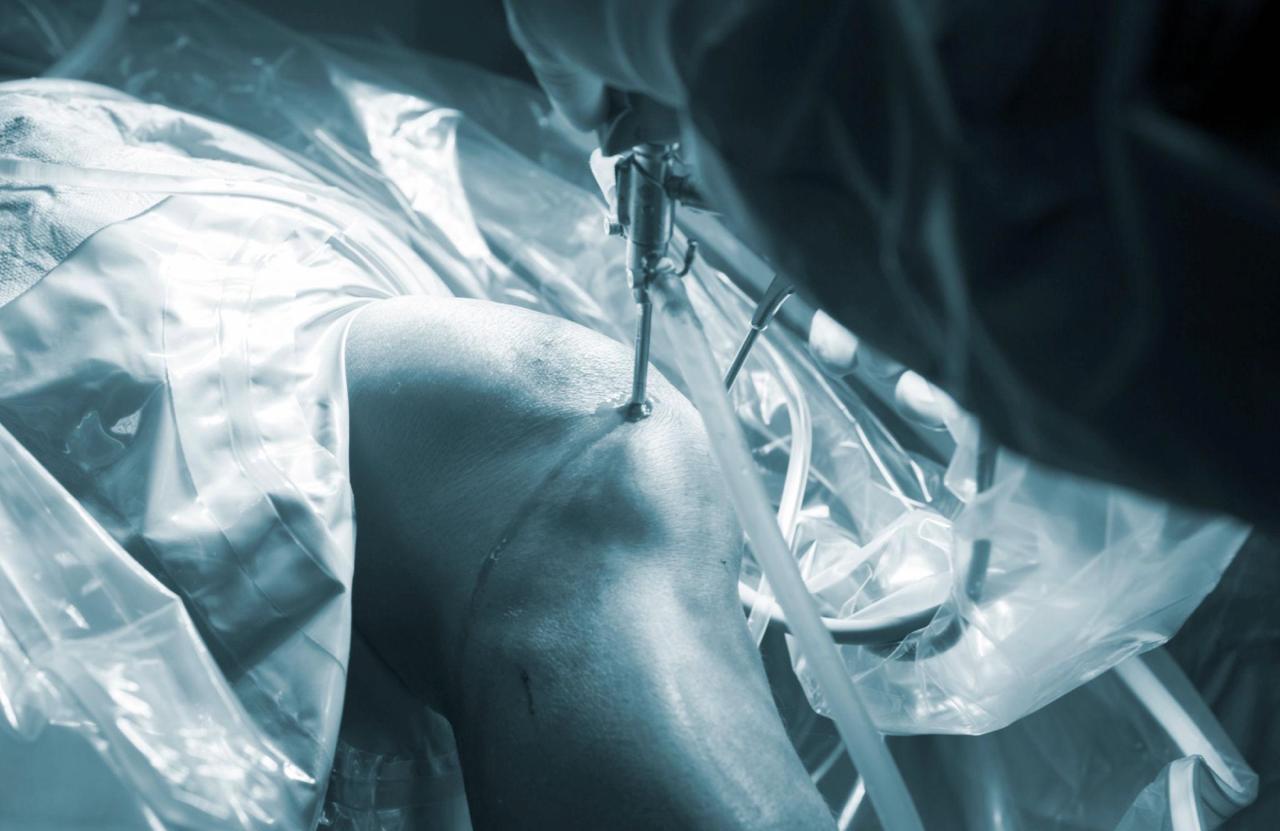
Modern, minimally invasive arthroscopic techniques allow for much smaller incisions, less post-operative pain, and a faster return to daily activities.
Recovery and Rehabilitation Timeline
Both injuries require a dedicated commitment to a structured physical therapy routine to restore strength, range of motion, and prevent reinjury.
ACL Recovery Timeline: Returning to competitive sports typically takes 6 to 9 months, focusing heavily on progressive lower-body strength, agility, and neuromuscular stability.
Meniscus Recovery Timeline: Recovery varies based on the procedure. A partial meniscectomy allows for recovery within weeks, while a structural meniscus repair requires a more cautious approach over a few months to protect the healing tissue.
Step Into Pain-Free Movement Again
While ACL tears and meniscal tears share a few overlapping symptoms, they are fundamentally different injuries that require distinct treatment paths. Early diagnosis is your best tool for safeguarding long-term knee health.
If you are experiencing knee pain, swelling, mechanical catching, or instability, do not leave your mobility to chance.
Consult Dr. Pradyumna R, a premier sports injury specialist in Bangalore, for advanced care. He specializes in minimally invasive, cutting-edge arthroscopic techniques designed to help you recover safely and quickly.
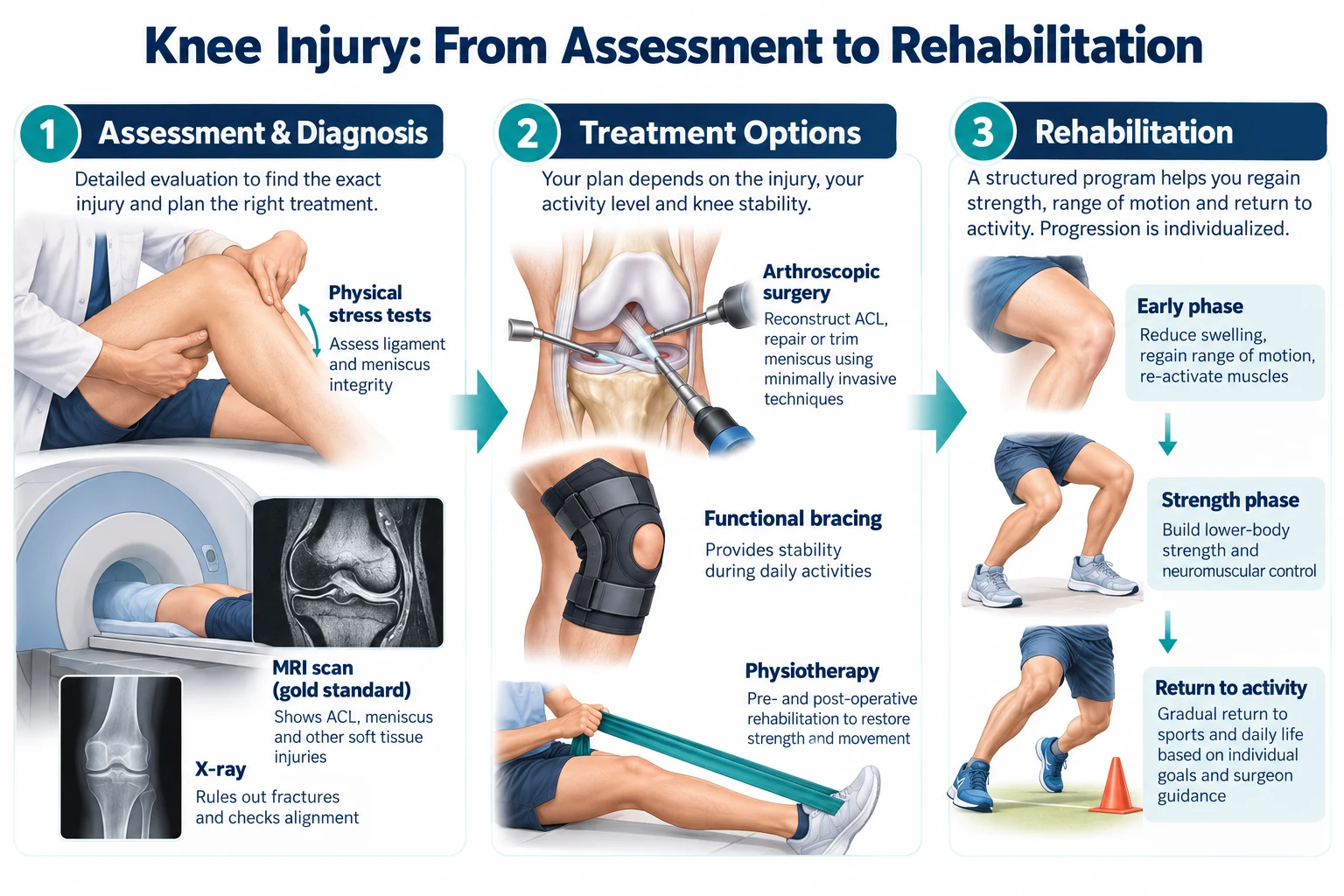
Knee Injury: From Assessment to Rehabilitation
Knee Injury: From Assessment to Rehabilitation. An illustrated summary of this article; individual assessment and recovery plans vary.
View full-size image (opens in a new tab)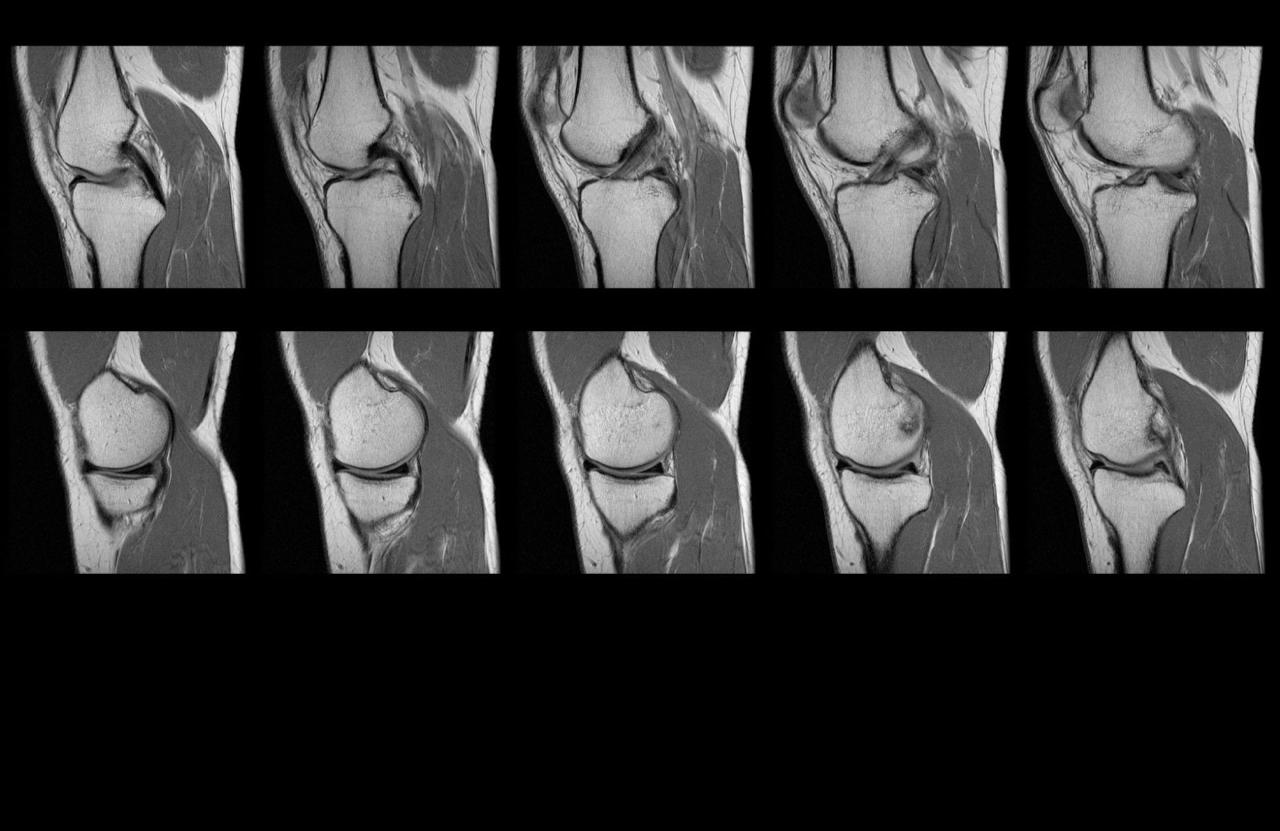
“Joint preservation and evidence-based conditioning are paramount. When surgical intervention is required, minimally invasive arthroscopy allows patients and competitive athletes to restore painless stability and confident motion.”
ACL & Meniscus Surgery & Recovery
Advanced ACL & Meniscus Repair Care | Dr. Pradyumna R. Watch Dr. Pradyumna R explain clinical diagnosis, surgical repair techniques, and recovery milestones.
Frequently Asked Questions
An ACL tear usually causes an audible 'pop' sound at the moment of injury, immediate severe swelling, and a feeling that your knee is completely giving way. A meniscus tear causes a more gradual swelling, pain directly along the knee joint line, and a mechanical catching or locking sensation when you try to bend or straighten your leg.

Dr. Pradyumna R
Verified SpecialistDr. Pradyumna R is a Consultant Orthopaedic Surgeon | Knee & Shoulder Surgery | Sports Medicine | Arthroscopy | Joint Replacement. He completed sub-specialty fellowship training in shoulder, elbow, and knee arthroscopy at the Technical University of Munich (TUM), Germany. He has performed over 5,000+ successful joint surgeries and practices at Bangalore Orthopaedic Clinic (JP Nagar) and Manipal Hospitals.