Does your knee hurt when you stand up after sitting? Learn the common causes, symptoms, diagnosis, treatment options, and when to see an orthopedic specialist in Bangalore.
Reviewed by: Dr. Pradyumna R
Cartilage damage in the knee is a common cause of pain, swelling, and stiffness, affecting athletes, active adults, and older individuals alike. Since cartilage has a limited ability to heal on its own, untreated injuries can worsen over time and increase the risk of knee arthritis. Early diagnosis and appropriate treatment can help relieve pain, restore mobility, and preserve the knee joint. If you’re looking for knee cartilage damage treatment in Bangalore, consulting an experienced orthopaedic surgeon can help determine the most suitable treatment based on your age, activity level, and the severity of cartilage damage.
What is Knee Cartilage?
Cartilage is the smooth tissue that covers the ends of the bones inside the knee joint. It allows the knee to move without friction while absorbing shock during activities such as walking, running, climbing stairs, and sports. When this cartilage becomes damaged due to injury or wear and tear, patients may experience pain, swelling, reduced mobility, and difficulty performing daily activities.
Symptoms of Knee Cartilage Damage
The symptoms vary depending on the location and severity of the injury but commonly include:
Persistent symptoms should not be ignored, as untreated cartilage damage may progress over time.
What Causes Cartilage Damage?
Several factors can lead to cartilage injuries, including:
Athletes and physically active individuals are at higher risk, but cartilage damage can occur in anyone.
How is Cartilage Damage Diagnosed?
Diagnosis begins with a detailed clinical examination, during which your orthopaedic surgeon evaluates knee stability, swelling, tenderness, and range of motion. Investigations may include:
Early diagnosis helps identify the extent of damage and allows timely intervention.
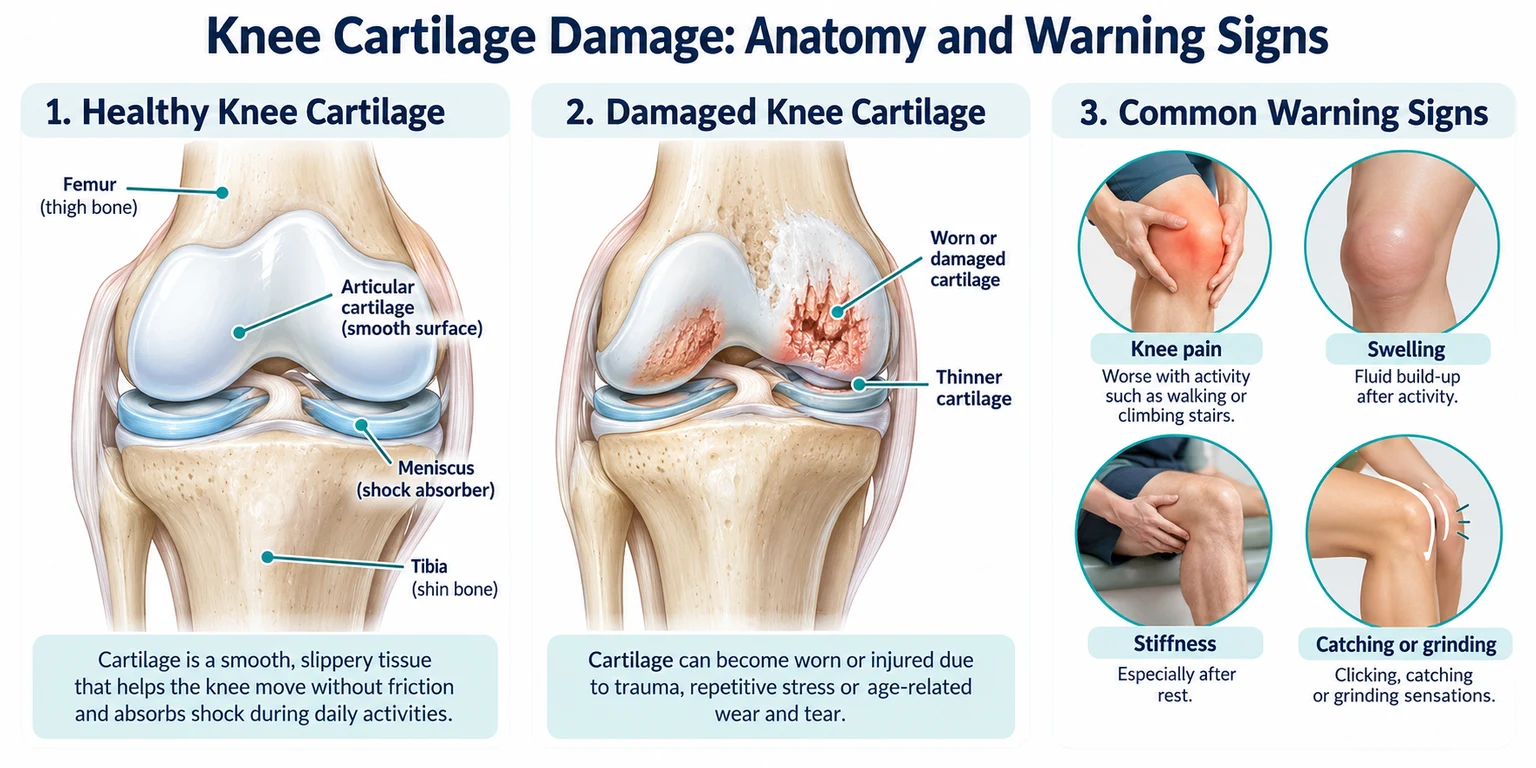
Knee Cartilage Damage: Anatomy and Warning Signs
Knee Cartilage Damage: Anatomy and Warning Signs. An illustrated summary of this article; individual assessment and recovery plans vary.
View full-size image (opens in a new tab)Treatment Options for Knee Cartilage Damage
Treatment depends on the size of the cartilage defect, symptoms, age, and activity level.
1. Non-Surgical Treatment
Many patients improve without surgery through:
2. Surgical Treatment
When symptoms persist despite conservative treatment or the cartilage defect is significant, surgery may be recommended. Common procedures include:
Your surgeon will recommend the most appropriate procedure after evaluating your condition.
Can Cartilage Damage Heal on Its Own?
Unlike muscles or skin, articular cartilage has a poor blood supply, limiting its ability to heal naturally. Small injuries may become less symptomatic with rehabilitation, but larger defects usually require medical evaluation and, in some cases, surgical treatment to prevent further joint deterioration.
When Should You See an Orthopaedic Surgeon?
Seek medical attention if you experience:
Early treatment can help preserve the knee and delay the progression of arthritis.
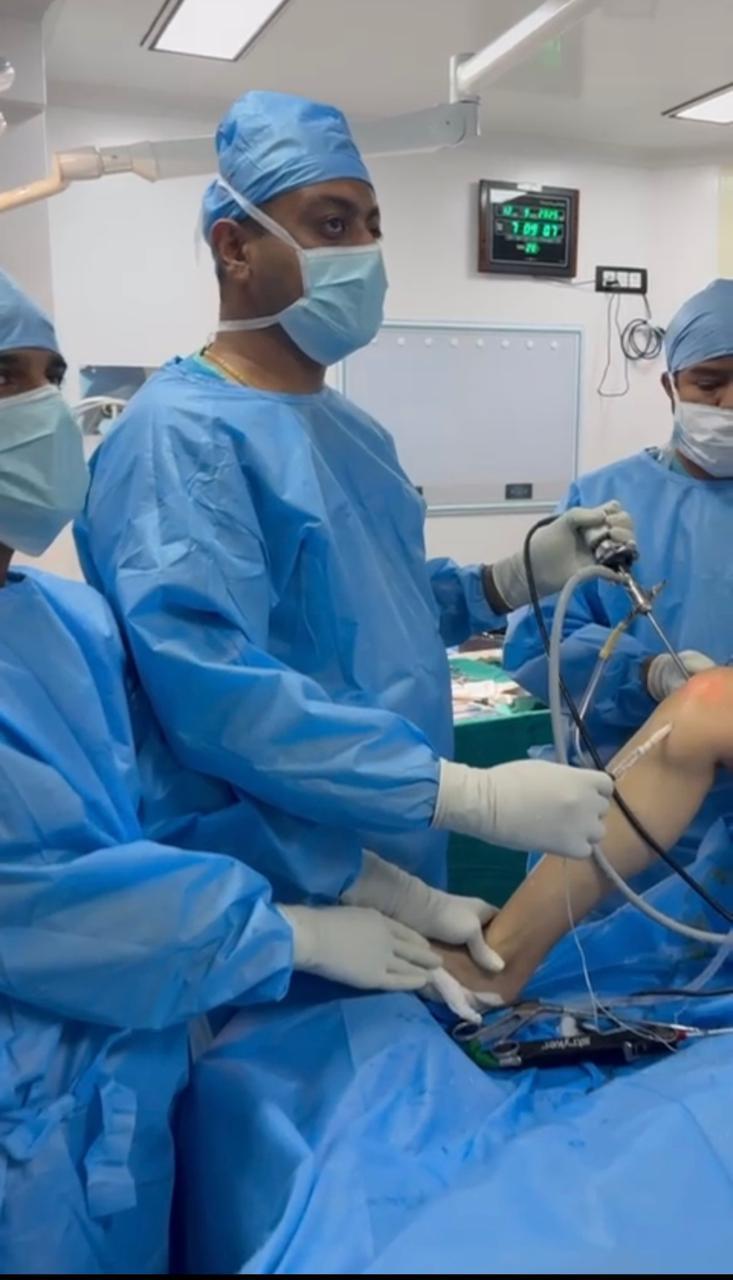
Dr. Pradyumna R is an orthopaedic surgeon specializing in sports injuries, knee arthroscopy, cartilage preservation procedures, ligament reconstruction, and joint replacement surgery. Using evidence-based treatment plans, he focuses on relieving pain, restoring knee function, and helping patients return safely to their daily activities and sports.
For persistent knee pain, swelling, stiffness, locking, or difficulty returning to sports, consult Dr. Pradyumna R for a detailed evaluation and personalised treatment plan.
Dr. Pradyumna R Consultant Orthopaedic Surgeon – Shoulder, Knee & Sports Medicine Specialist
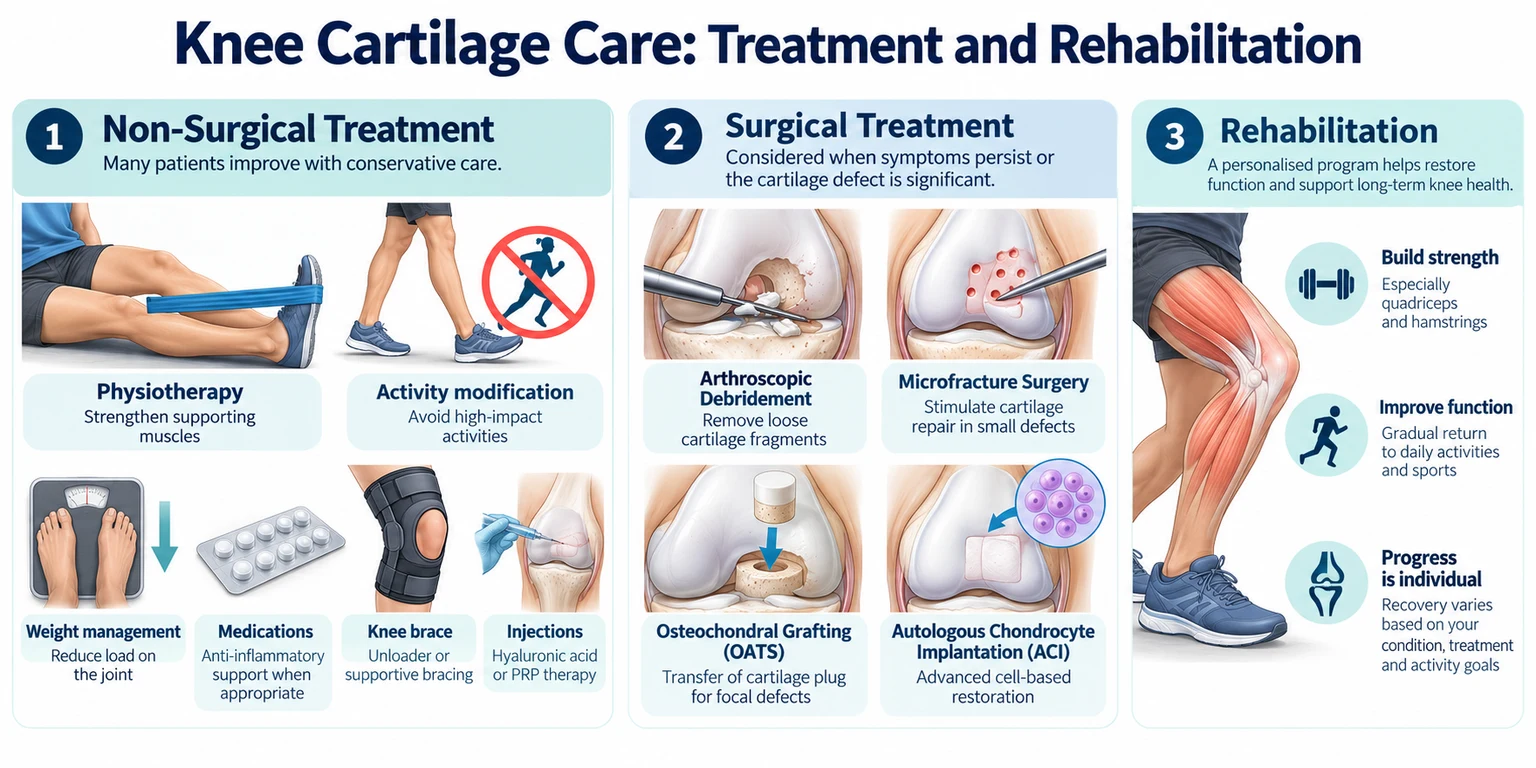
Knee Cartilage Care: Treatment and Rehabilitation
Knee Cartilage Care: Treatment and Rehabilitation. An illustrated summary of this article; individual assessment and recovery plans vary.
View full-size image (opens in a new tab)“Joint preservation and evidence-based conditioning are paramount. When surgical intervention is required, minimally invasive arthroscopy allows patients and competitive athletes to restore painless stability and confident motion.”
Berlin to India: Knee Cartilage Repair
International Patient Journey: Berlin to India for Knee Repair | Dr. Pradyumna R. Watch Dr. Pradyumna R explain clinical diagnosis, surgical repair techniques, and recovery milestones.
Frequently Asked Questions
Prolonged sitting causes joint stiffness and reduced lubrication, making underlying conditions such as arthritis or patellofemoral pain more noticeable when standing.
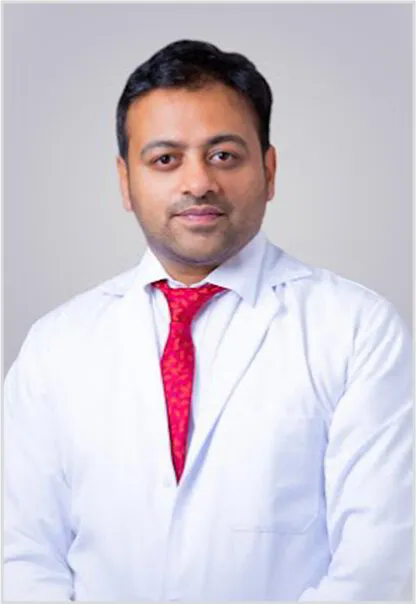
Dr. Pradyumna R
Verified SpecialistDr. Pradyumna R is a Consultant Orthopaedic Surgeon | Knee & Shoulder Surgery | Sports Medicine | Arthroscopy | Joint Replacement. He completed sub-specialty fellowship training in shoulder, elbow, and knee arthroscopy at the Technical University of Munich (TUM), Germany. He has performed over 5,000+ successful joint surgeries and practices at Bangalore Orthopaedic Clinic (JP Nagar) and Manipal Hospitals.